Long Weekend in the Bay State: Eastern Massachusetts
Massachusetts is one of my favorite states. It has a long (for the USA) history and is at the center of many historic events that shaped early America. The Pilgrims landed in what is now part of Massachusetts; the Salem Witch Trials of 1692 and many key events of the American Revolution occurred in the state. You can see anything from Gothic 17th century houses, to mountains, beaches, old ships, cruises, forests. It has something interesting to see whether you're near the coast, Cape Cod, or inland near the Berkshire Mountains. Massachusetts is very close to us so we have been there several times. This is a trip we did where we spent two days around Boston and two days on Cape Cod. 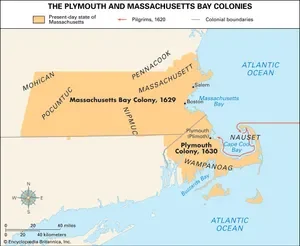
From Brittanica encyclopedia, showing the two colonies and Native tribes in the area.
History
Massachusetts is named after the tribe of Indians who lived not far from the coast on what is now the Blue Mountains. Disease from Europeans in the 1610s greatly affected the tribe who lost thousands of people over the colonial period. The first English settlement was the famous Plymouth colony, south of Massachusetts Bay, covering the lower part of the state and Cape Cod. The starving desperate English made a treaty with the Wampanoag tribe, who had also suffered from diseases and needed the English to help so that neighboring tribes would not attack them. In 1621 the famous Thanksgiving with the pilgrims and Wampanoag tribe occurred when Pilgrims were out hunting and shooting and some Wampanoag men went to investigate, fearing they were starting a war. But the pilgrims were just having a jolly old time and invited the Wampanoag to their harvest feast, which lasted 3 days. In 1629 other Englishmen (the Puritans) settled north around Massachusetts Bay. These Puritans were very strict Protestants who (like the Pilgrims but more intense) thought that other Protestant religions were too lenient and did not follow the Bible. They formed Boston in 1630 after finding a better water supply in the area. The Puritans in the Massachusetts Bay Colony had a charter from England so they were more legit than Plymouth and many other colonies in New England who did not have any documentation from the King saying they could exist.
In the 1630s they began settling towns around Boston in a semicircle line inland. This was the time period of the great migration, when 20,000 Englishmen left to get land in Massachusetts, settling towns with their own independent churches and communities. They laid out towns with a common green space for cattle grazing and for their church. In the 1640s the English Civil War broke out and the Puritans back in England were at war with the King. Eventually in 1649 they beheaded the King and many of the Puritans returned home in the Counter Migration to live in a now Puritan-ruled England. In 1675 a war broke out in Massachusetts between the native tribes and the colonists. This destroyed the relatively peaceful co-existence Massachusetts had with its Native population. Then in 1692 a massive witch hunt occurred with hundreds accused and 19 people dying. Times continued to be tough as in the 1690s there was also war with France, and Maine (which was part of Massachusetts at this time) was a frontier that was continuously attacked. These attacks continued into the 18th century until the end of the French and Indian War in 1763. Revolution was in the air though, and Massachusetts was at the forefront of this conflict. Angry at Britain for not having any representation in Parliament, they boycotted their goods and destroyed tea because it was taxed without their local legislatures consent. Britain reacted by shutting down Boston harbor and taking away Massachusetts elected legislature. As you can imagine, Massachusetts people did not take kindly to this and neither did the other colonies as it showed that Britain had total control over them.
The first shots of the Revolution happened at Lexington, a small town, as the town militia turned up to stop a British company of soldiers from stealing their ammunition. I won't get too deep into the details because I plan on doing another blog post where I visit more Revolutionary war sites; the events are also extremely complicated. Needless to say, Boston was at the center of the conflict, as it was occupied by British troops from 1775 to March 1776, when the American Army laid siege to the city and finally forced the British to leave. The Revolution went on elsewhere, but it started in Boston and Massachusetts. Itinerary
Day 1: Dedham and the Blue Hills, Wakefield
Day 2: Boston, Boston and more Boston
Day 3: Beach and towers
Day 4: Sandwich and glass
Day 1: Dedham and the Blue Hills, Wakefield
Day 0 we left work early and drove to our Airbnb. We planned this trip out to spend two days just north of Boston and two days in Cape Cod. This was May of 2022 so not super long after the pandemic, but I think this was the first trip where most restrictions were lifted. Hotels are a little expensive so looking at Airbnb's is a good option. Both Airbnb's we stayed at were extra rooms in houses; however they had their own entrance, and the houses were large enough that it didn't feel like we were staying with people we didn't know. The second Airbnb was a bit better because it was more of a private area, but the first one did have a backyard with a chicken coop so there is that. The first thing we did was go to Dedham, which was south of Boston, we took a highway that was a big arch around Boston missing crazy Boston traffic. Dedham is a classic New England colonial town, being founded in 1636 with a nice downtown and plenty of green spaces. We were there to see the Fairbanks House, the oldest timber frame house in New England and maybe America. What makes the Fairbanks House even more special is that is that they did dendrochronology on the structural timbers of the house showing scientifically that the house was constructed between Winter of 1637/8 (when the summer beam was felled) to Winter 1640/1 (when a joist beam was felled). This is the most accurate way to get a date for when a house was built, as many houses claim early dates but Fairbanks House as the science to back it up. The Fairbanks House requires you to book a tour at a certain time. We booked it for 10 AM, the earliest time. It was just us and one other group of a young lady with her kids. They were impressed when we told them that we were from New York as I guess they don't get a lot of people traveling far to see them. 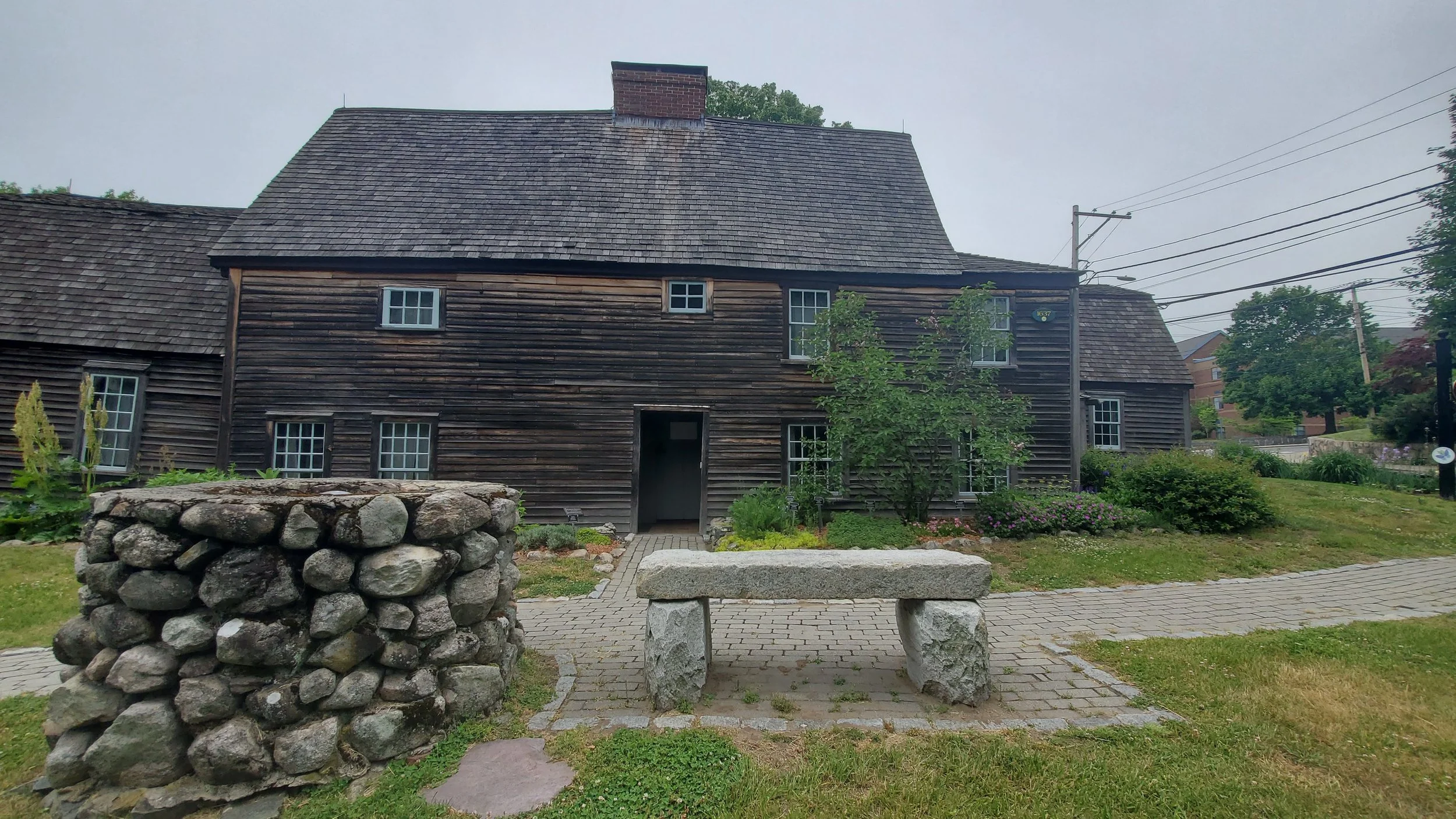
The outside of the house. The main blocky part is from 1640, the rest was added later.
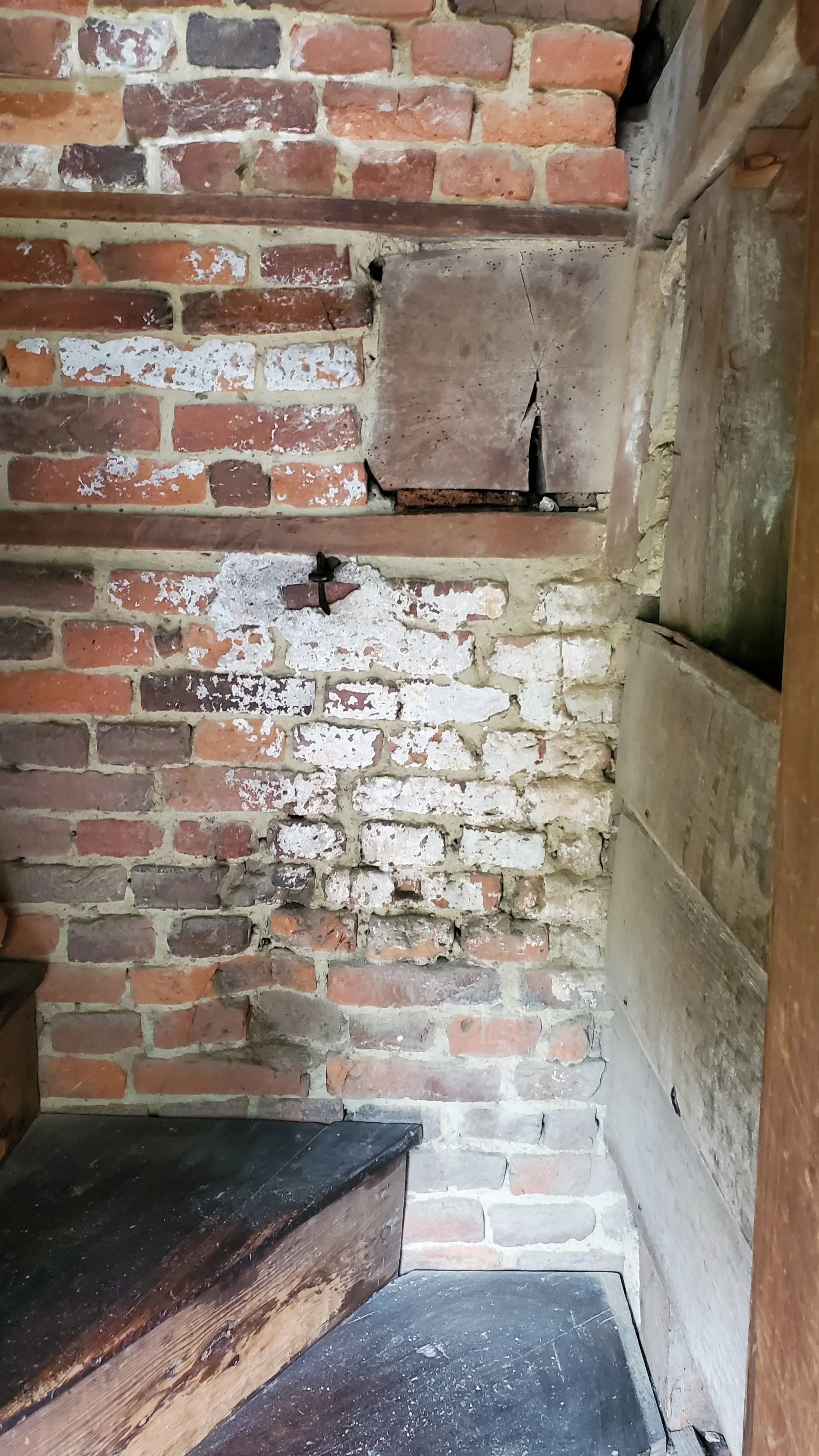
When you walk into the house you immediately are facing the old chimney. A massive central chimney is a common element for post-Medieval house in New England.
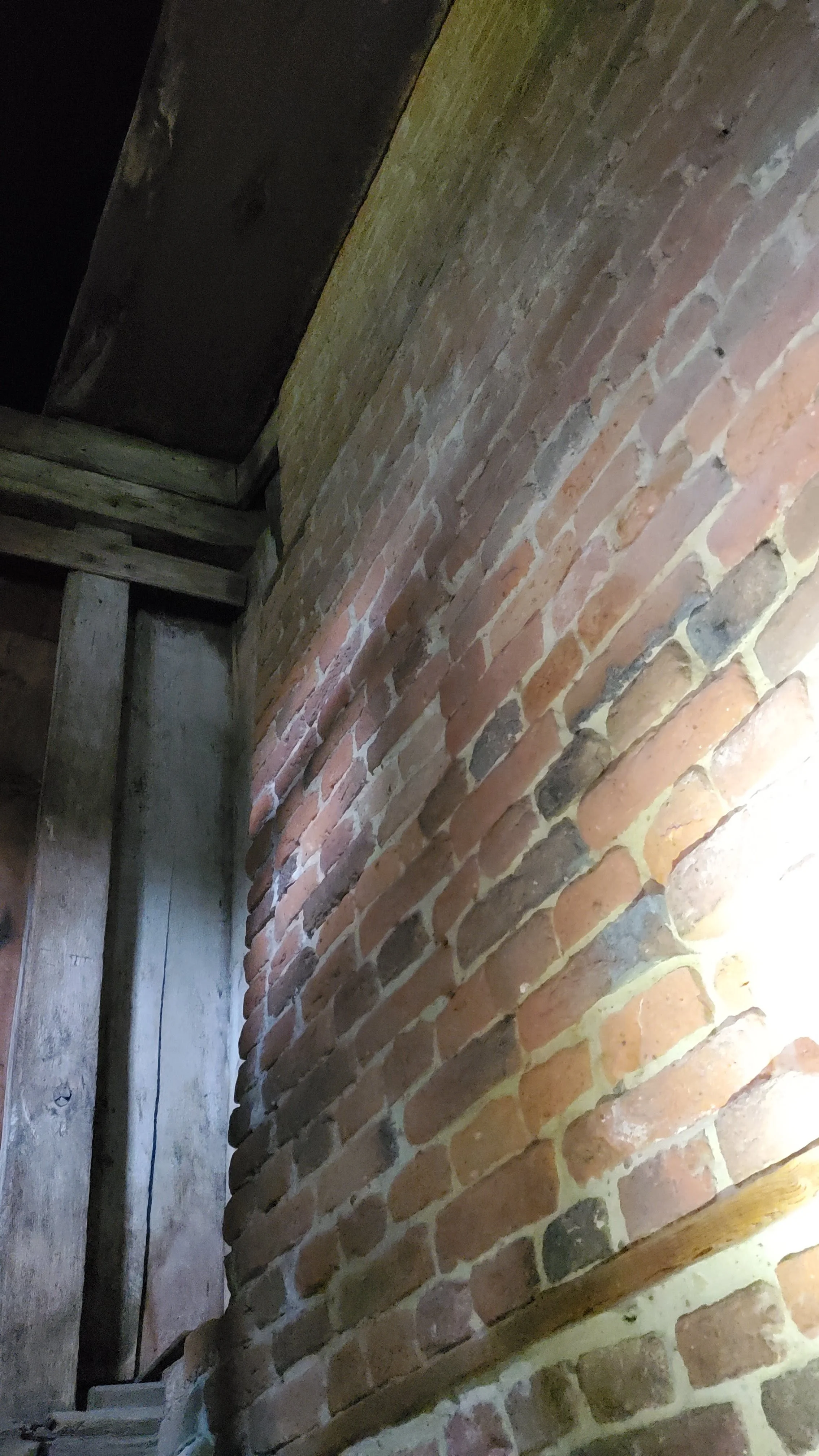
The inner part of the chimney is original. The bricks apparently were not as hard since they did not need to face the elements. You can see where the newer bricks for the exterior part was added. The bricks suddenly look newer and uniform and have a bit of a yellowish hue.
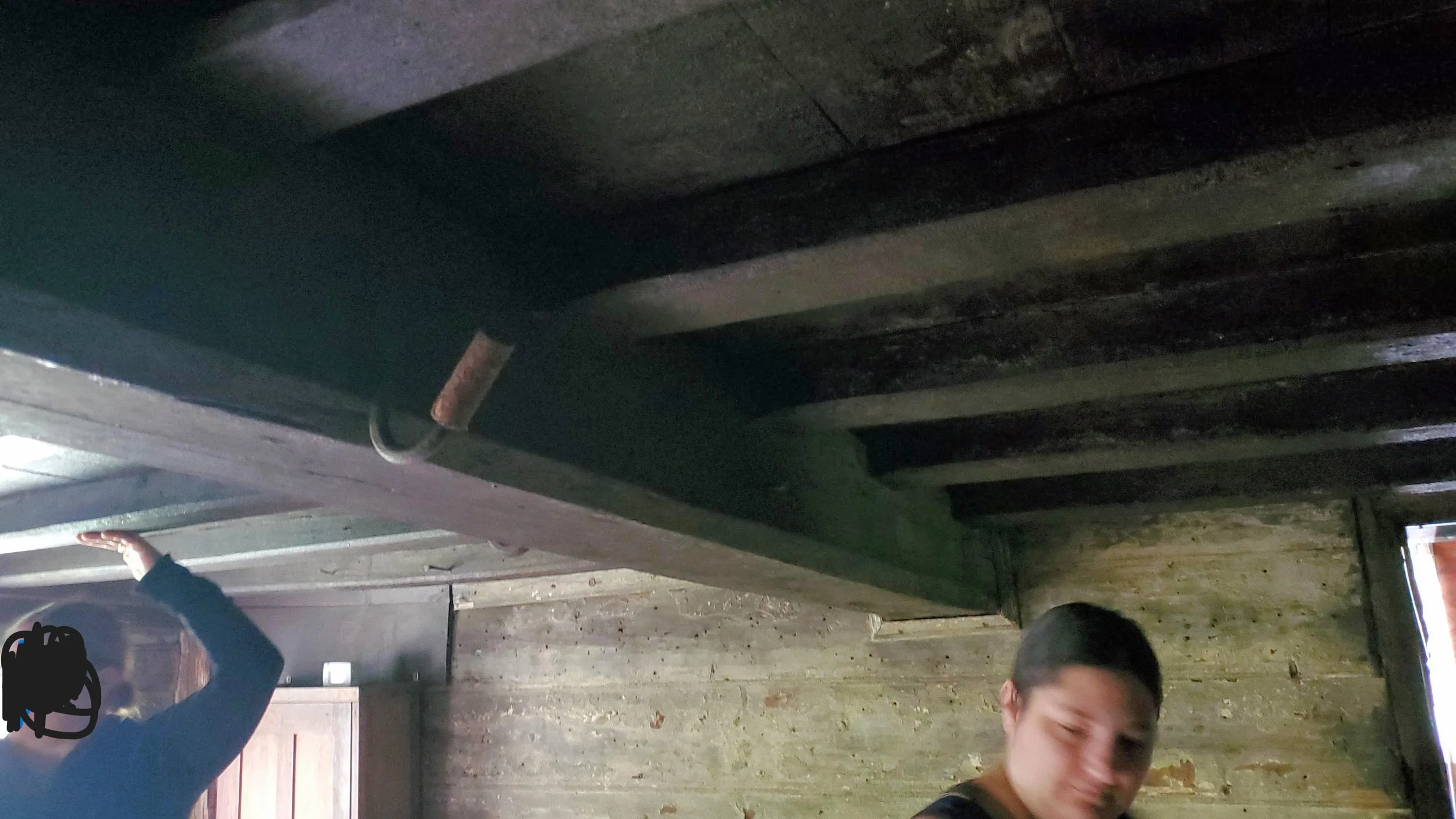
This large beam is the summer beam which was dated to have fallen 1637/8.
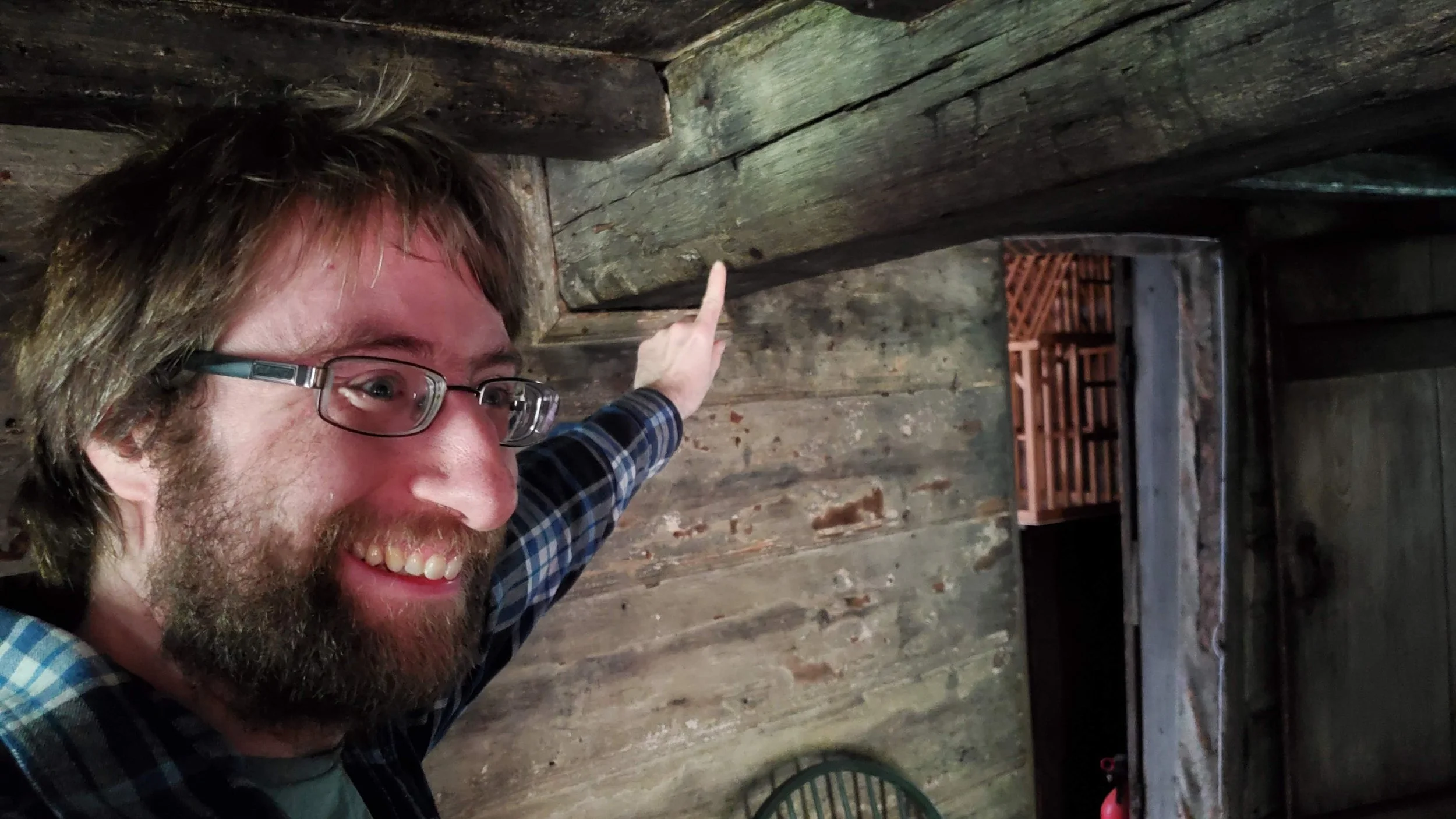
I am pointing to the black holes in the wood where they drilled to get the tree ring samples.
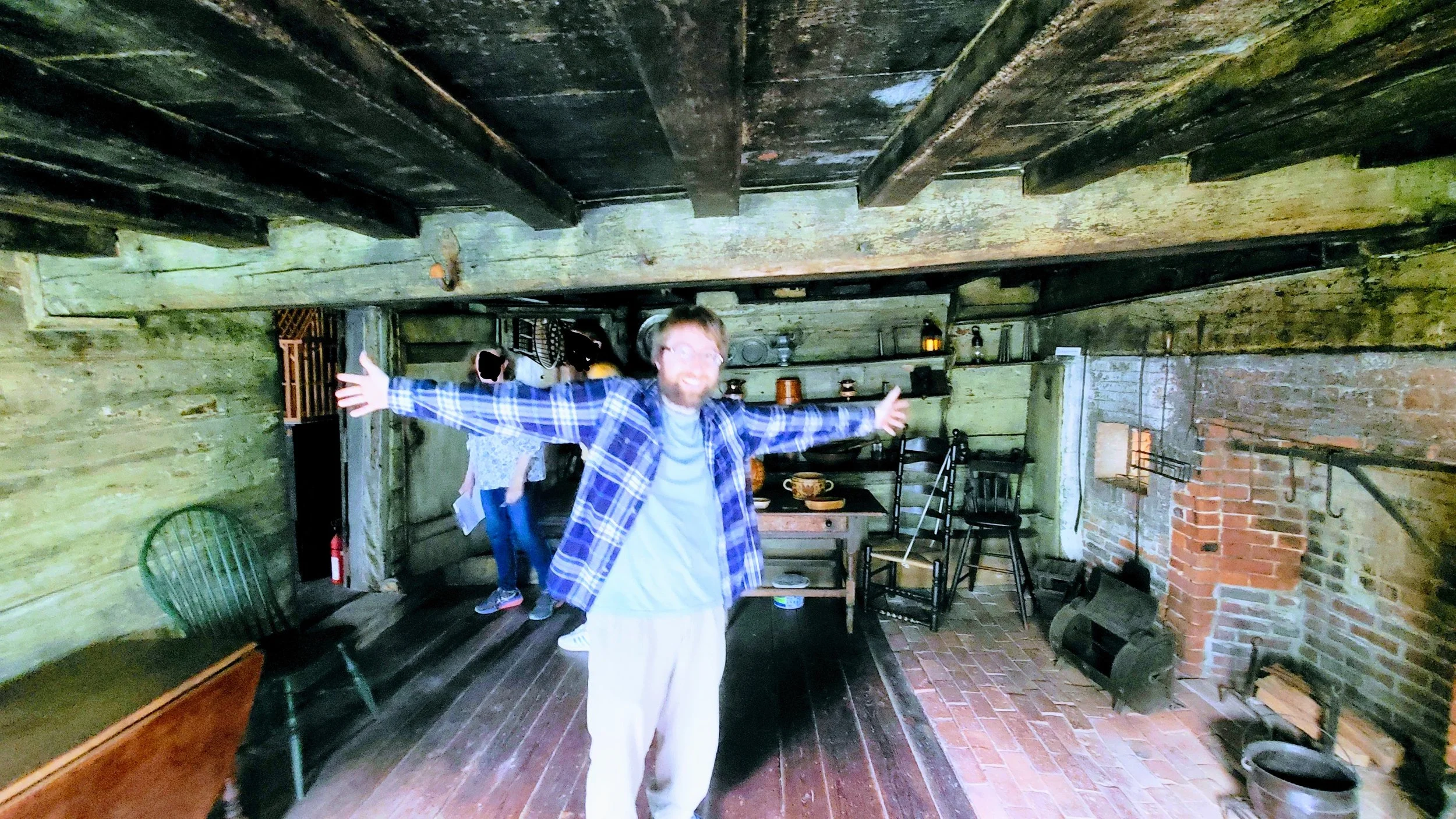
A brightened view of me in the oldest part of the house. You can see how large the summer beam is and how low the ceiling is. It was very dark in there and the tour guys had flashlights to point things out.
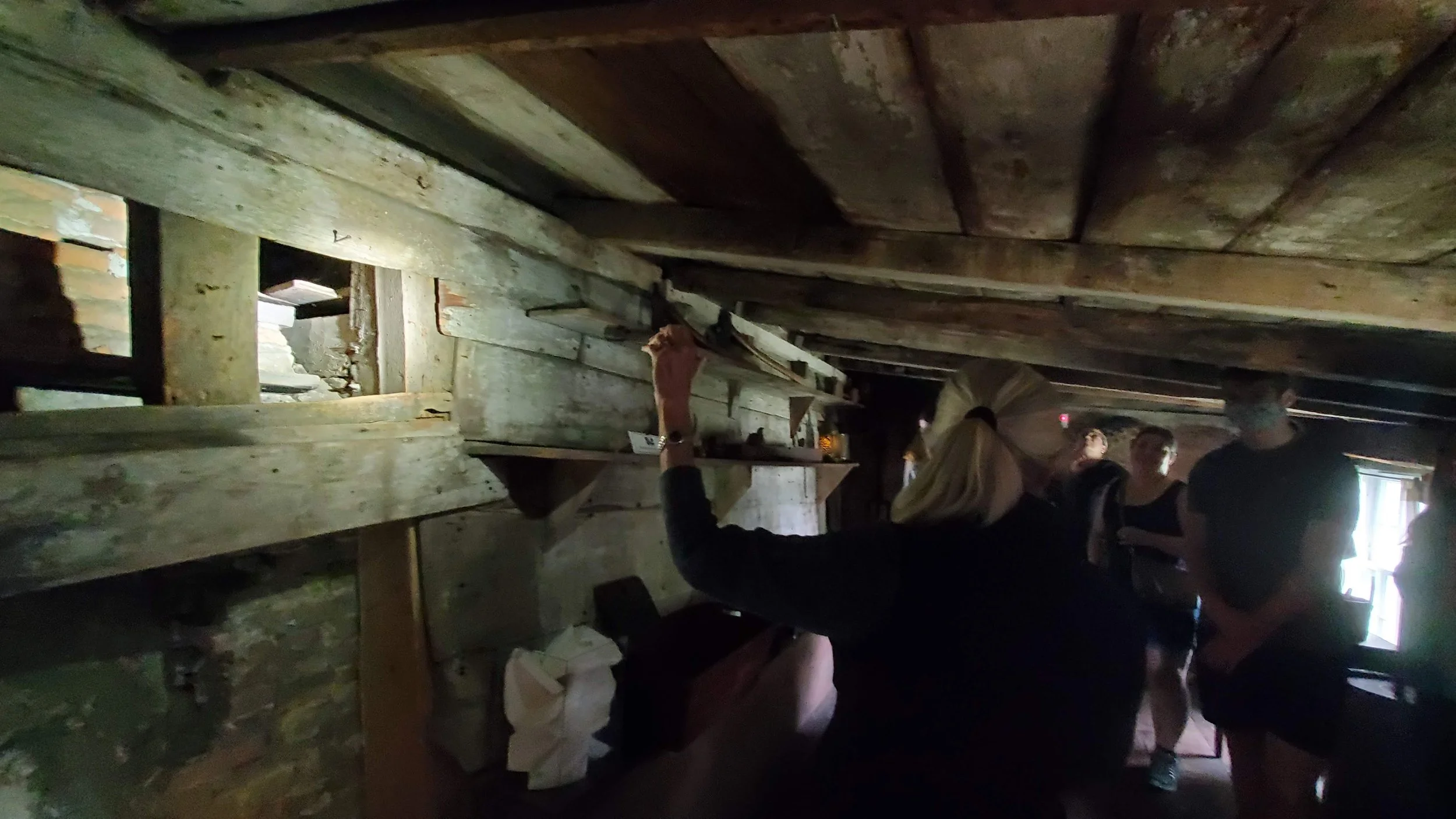
This is in the sloping addition to the house. The brick chimney is still visible through the hole in the wall.
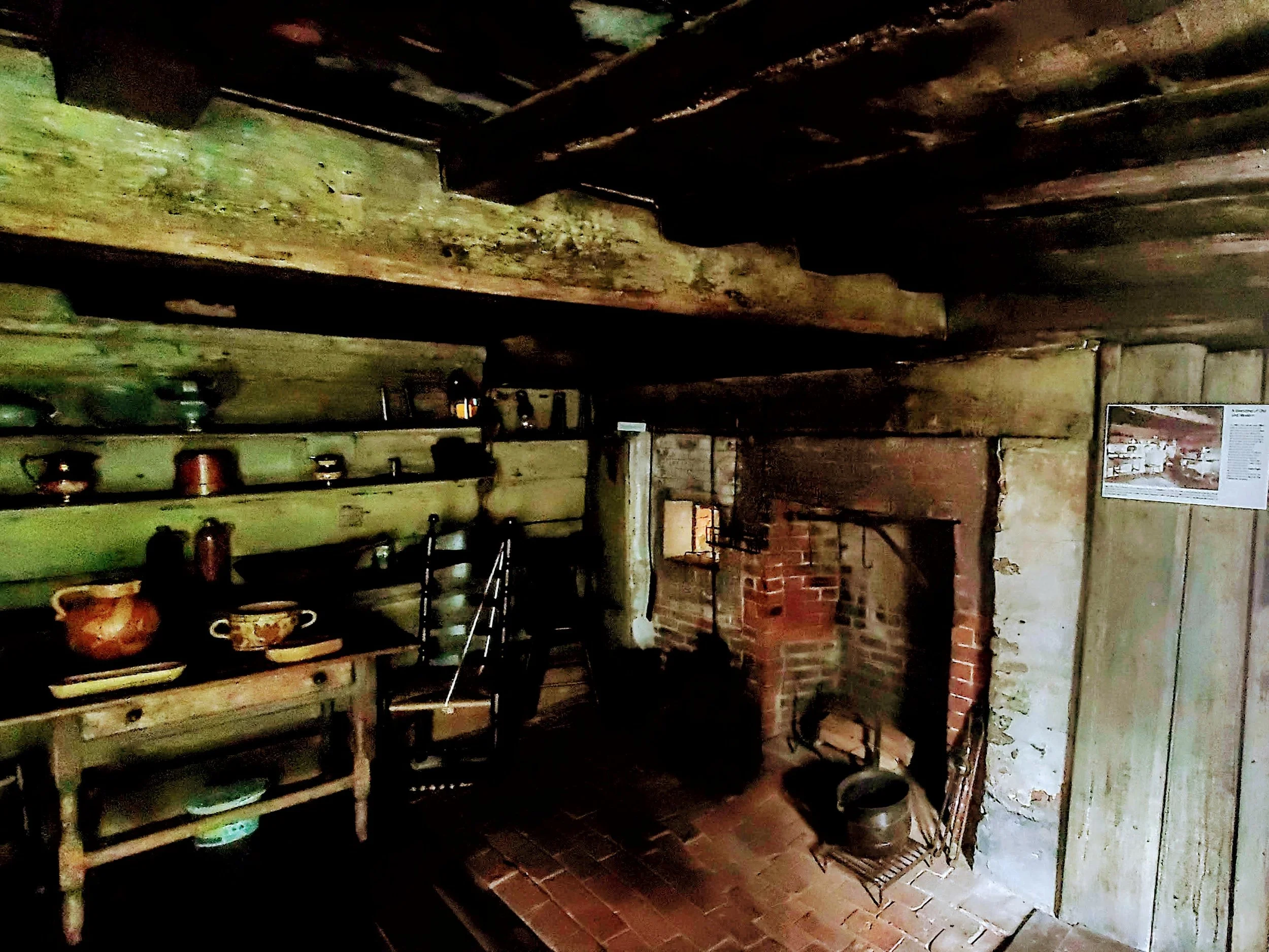
Hall and the chimney again. More editing was done to help the lighting. The chimney was actually filled in as the original chimneys were much larger.
Highly recommend seeing the Fairbanks House if you are interested in old houses. The tour guides are great, you learn a lot. One of the coolest parts was the 'Hex Marks' carved around the chimney. I will talk more about that in the Folklore section. This house is so old that Massachusetts Bay Colony was still using armor and pikes in their militia along with old matchlock muskets. Also, it's over 50 years before the Salem Witch Trials and before the English Civil War of 1642. https://www.youtube.com/shorts/Tpw7hoWwBugShort video from the tour. It's a little hard to hear but you can see how dark it was in there. The tour guide explains tree ring dating. 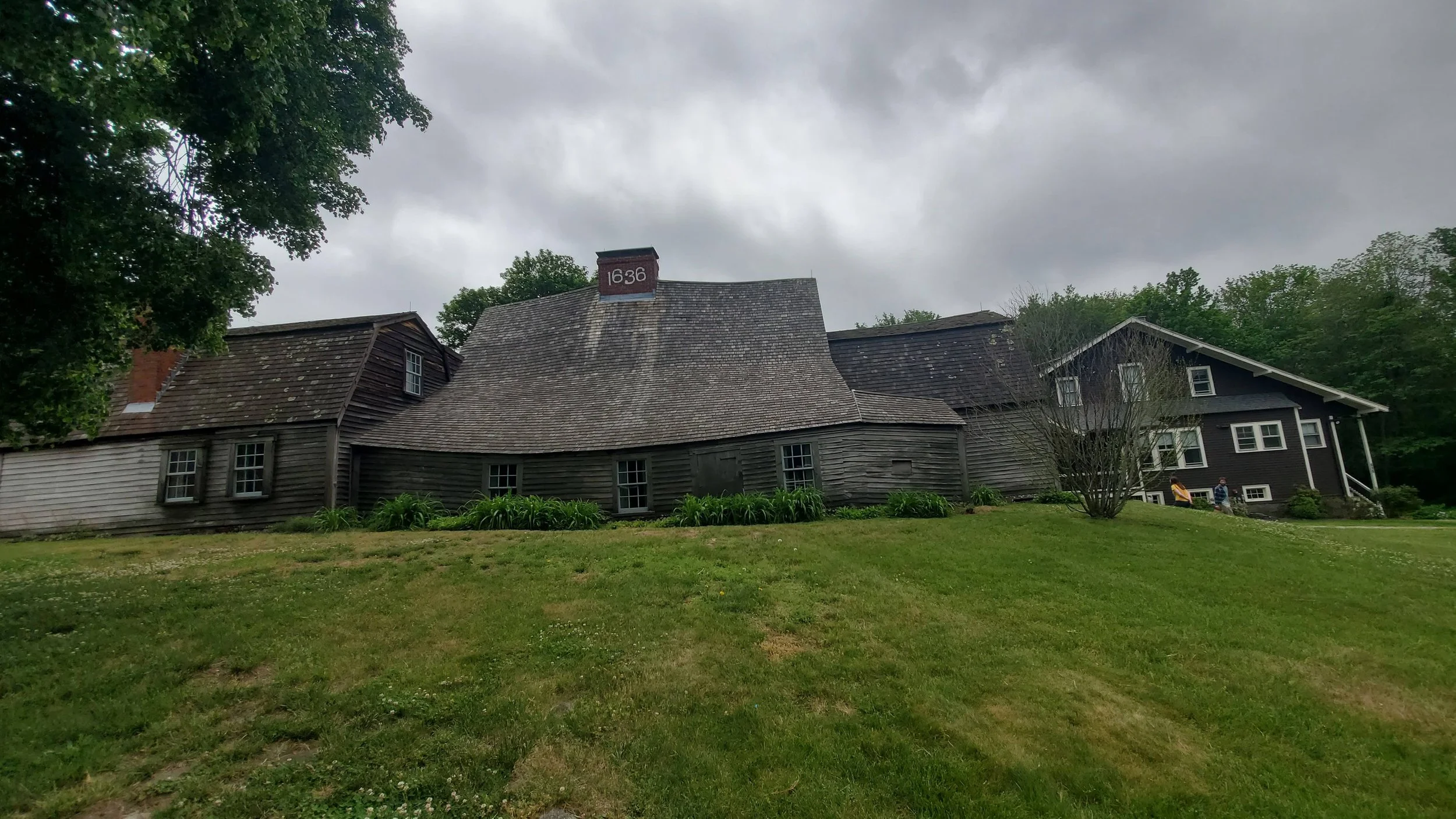
Cerissa took this picture of the back of the Fairbanks house, showing the steep sloping roof that the house is famous for as well. The tour guide told us the back slope might have originally been open to allow animals in and serve more as a porch.
The tour was a little longer than 50 minutes but was worth it. We drove a bit from the house to a nice downtown area where we got a bit to eat outside. Next, we went to the Blue Hills Trailside Museum, which is only about 12 minutes from the Fairbanks House. This place is a lot of fun. It has a small museum, a trailside zoo and even an otter! Cerissa loved the otter; it was her favorite part. It also has hiking trails that led you to a summit where you get a good view of Boston. I believe its the highest mountain in eastern Massachusetts. I came here briefly in 2010, but the Fairbanks House was closed, as was the trailside museum. 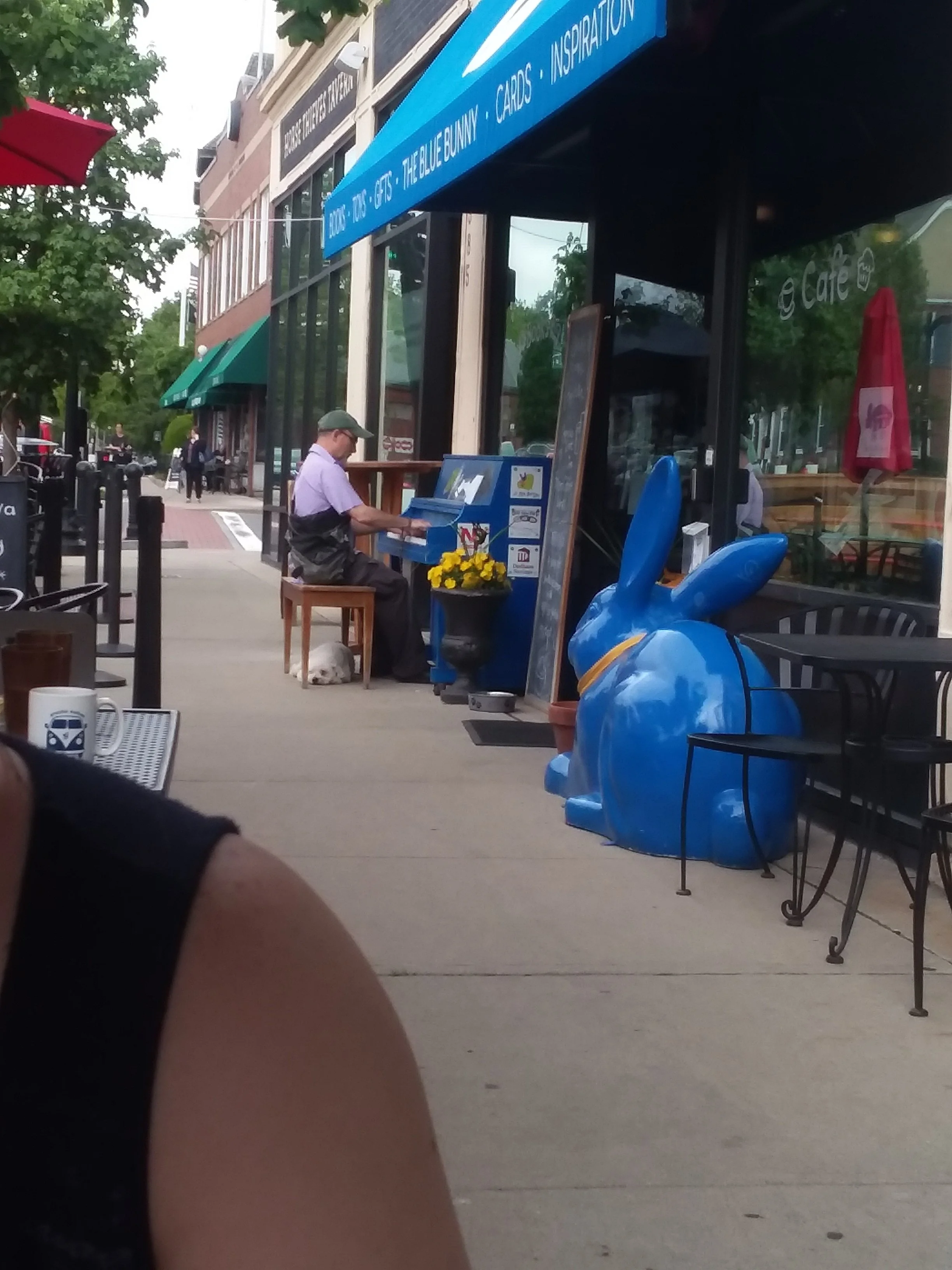
Man playing a blue piano on the main street in Dedham with his dog resting under his chair.
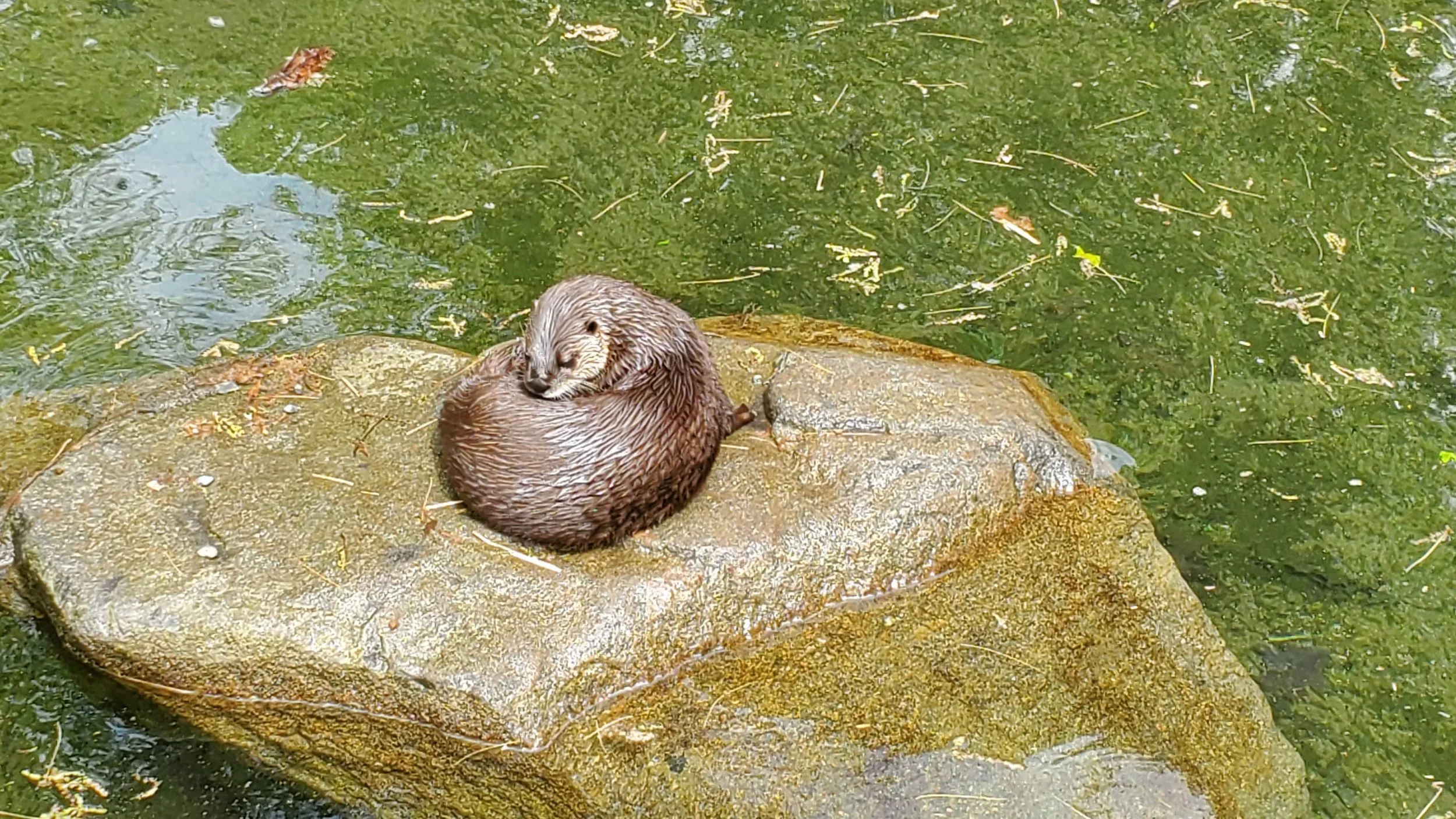
Otter!
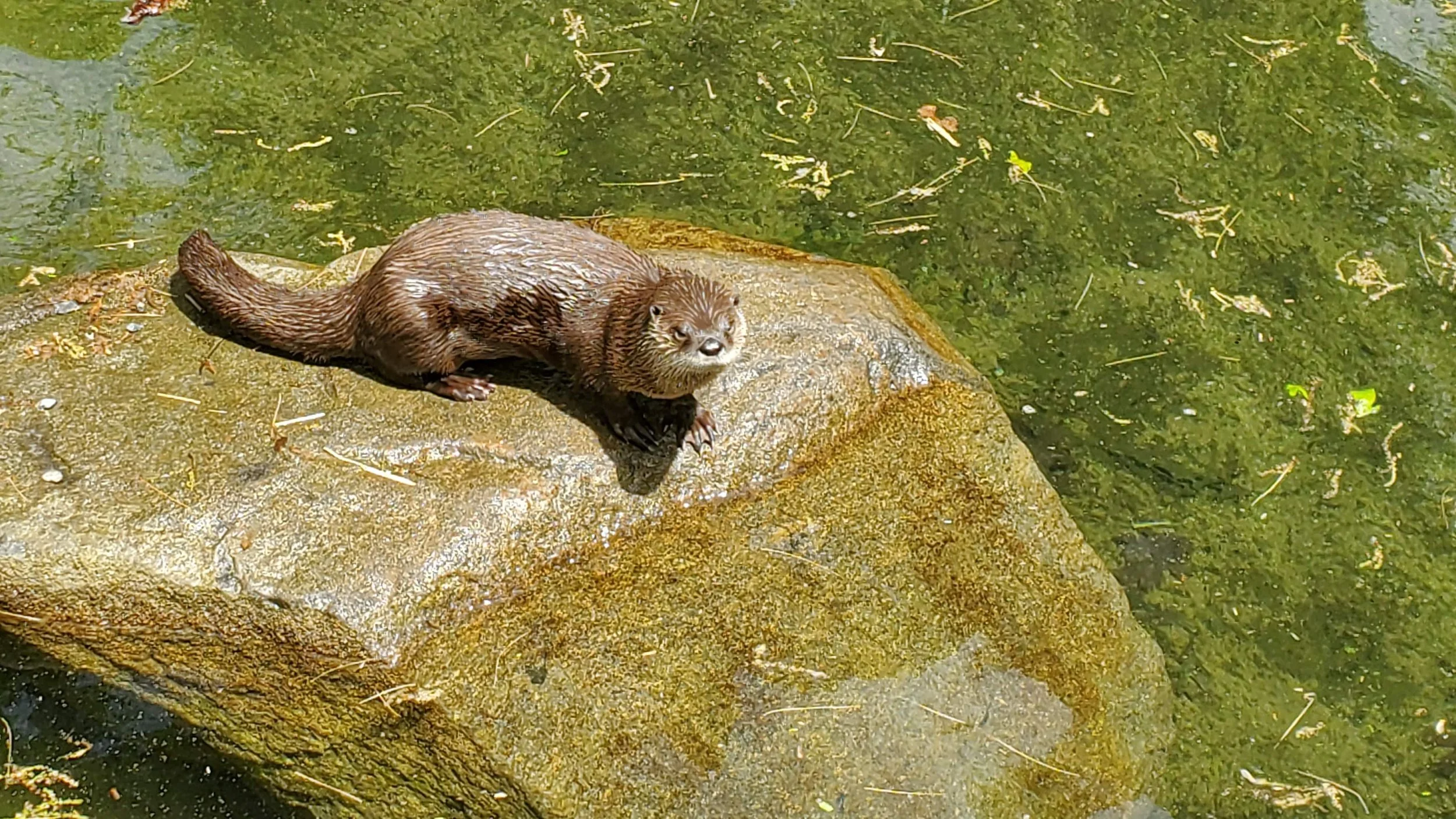
More Otter!
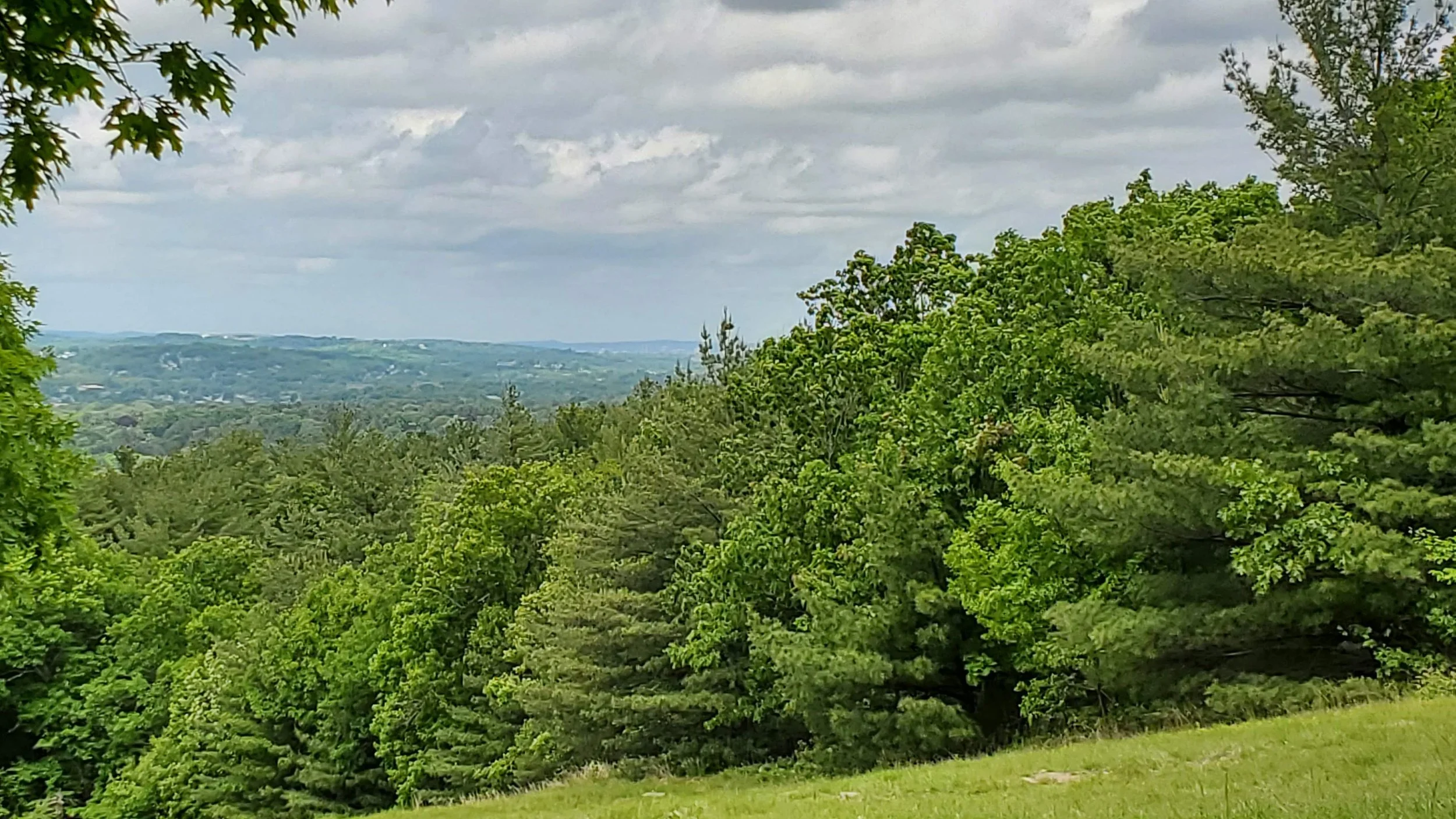
A higher view of the hiking trail.
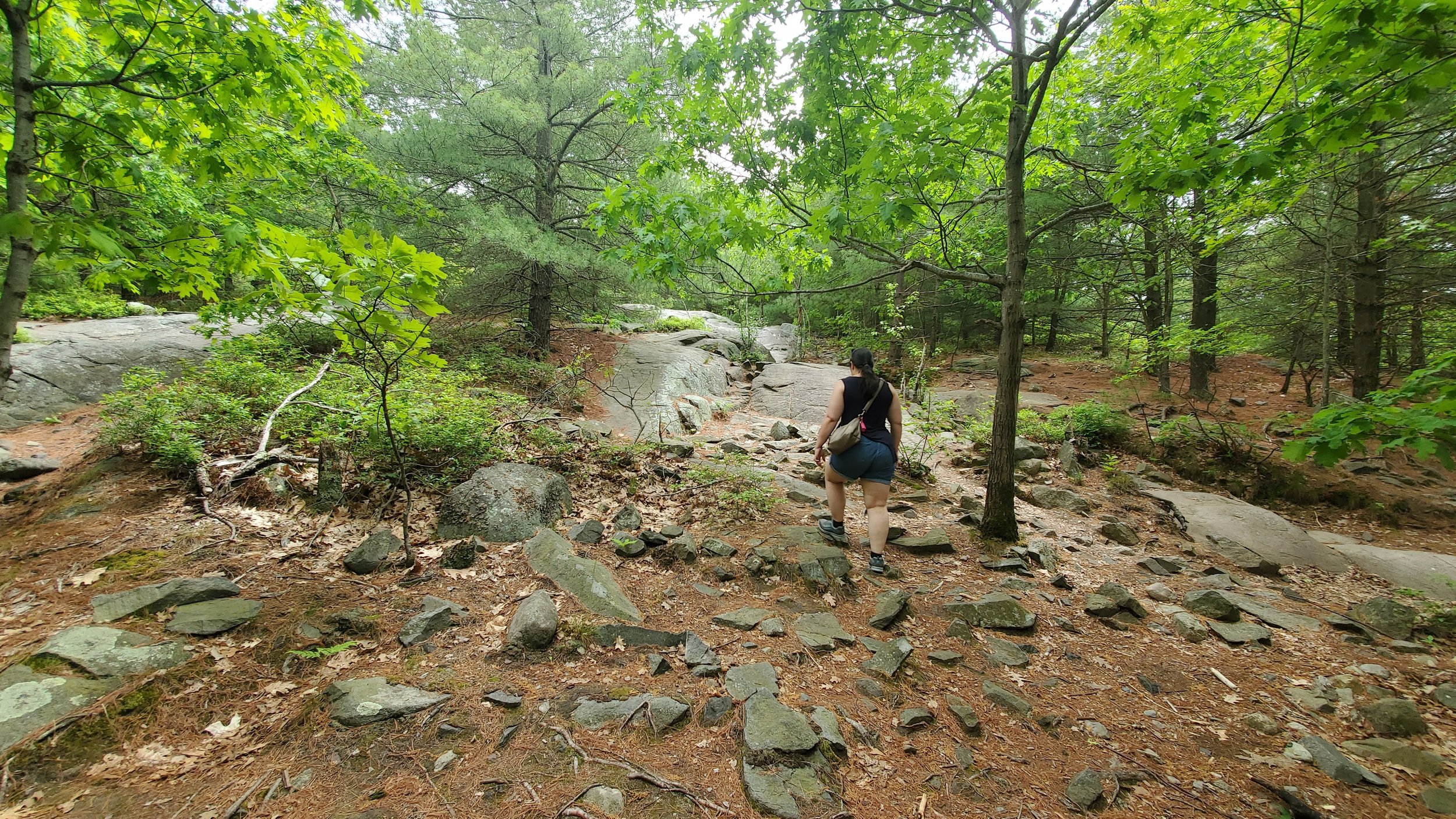
Hiking along the rocky trails. I loved these big rocks. It reminded me of hiking near Roger’s rock as a kid.
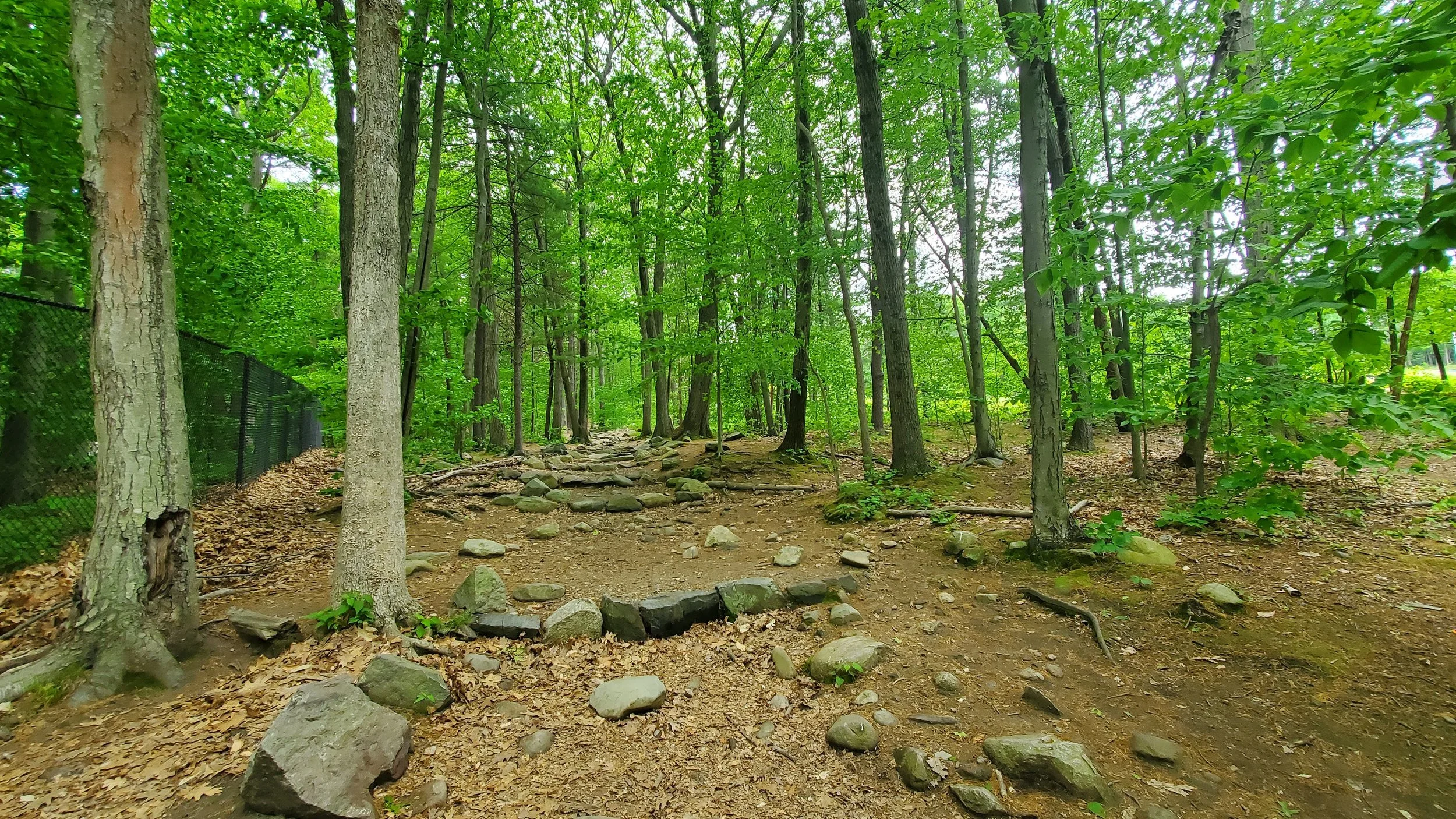
Rocky hills near the cages. There are small rocky steps into the trail.
We loved the small museum, the otters and the hiking. Highly recommend this hidden gem. We went back to our Airbnb then went out for dinner near Wakefield MA. The place we ate at wasn't anything to write home about but was a perfectly fine diner. The rest of Wakefield was very impressive though. There was a beautiful stone church near a green park overlooking Lake Quannapowitt. There was also an Asian style pavilion. We hung out after dinner walking in the park then getting some ice cream up Common Street, past the old green common area with memorials. It was a great place to spend an evening. Charming small towns like this make Massachusetts, and New England in general, a fun place to explore. 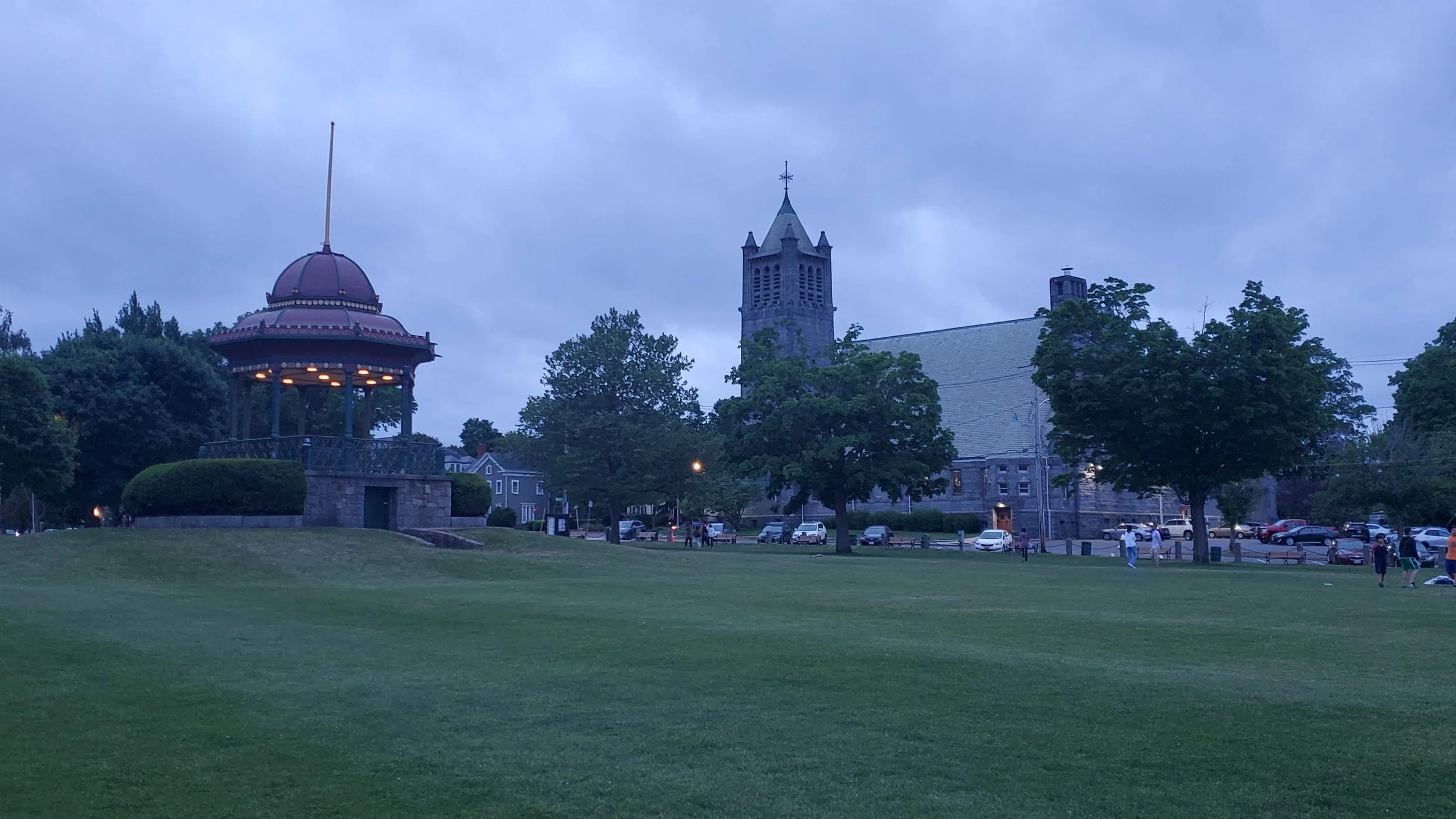
Wakefield Park in the evening. You have a neo-gothic church and the Asian style pavilion. The park was a lively place with people playing games and walking their dogs.
Day 2: Boston, Boston and more Boston
Our second day (as the name suggests) was all about Boston. We packed our things and left the Airbnb. Because driving in Boston is never recommended, we went to a park and ride and took the train in. I could not find the exact park and ride we used but there are many options around Boston, just be sure you use one with a good rating. I remember liking the look of the train station and it had a cool bridge over to the train tracks. The first thing we did was make a beeline for the Boston Aquarium. This place gets very busy, especially on weekends, because it's so impressive. The main room has a massive tank with huge turtles and a spiral walkway to travel up and see the sea life. 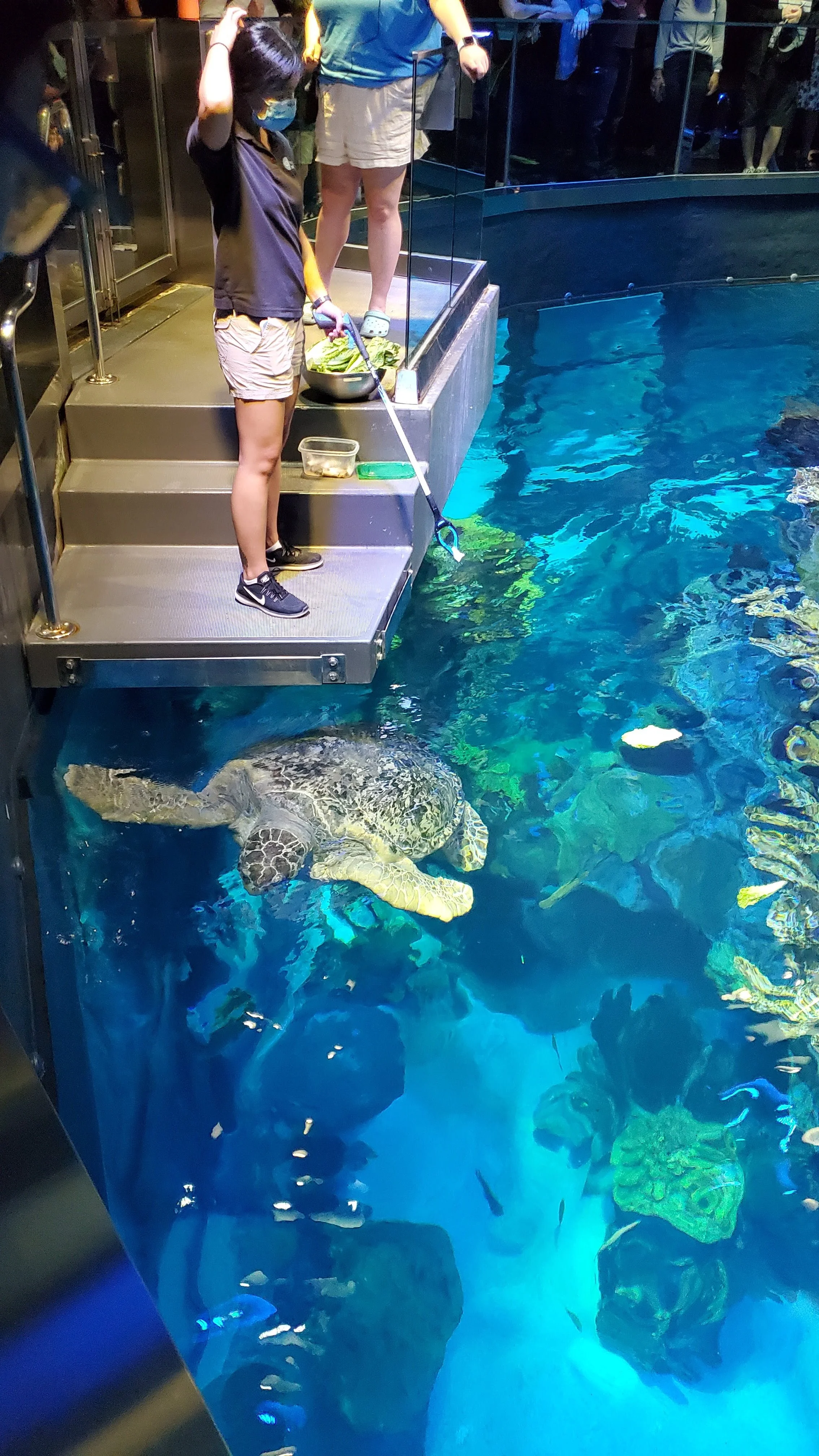
The big turtle on top of the tank.
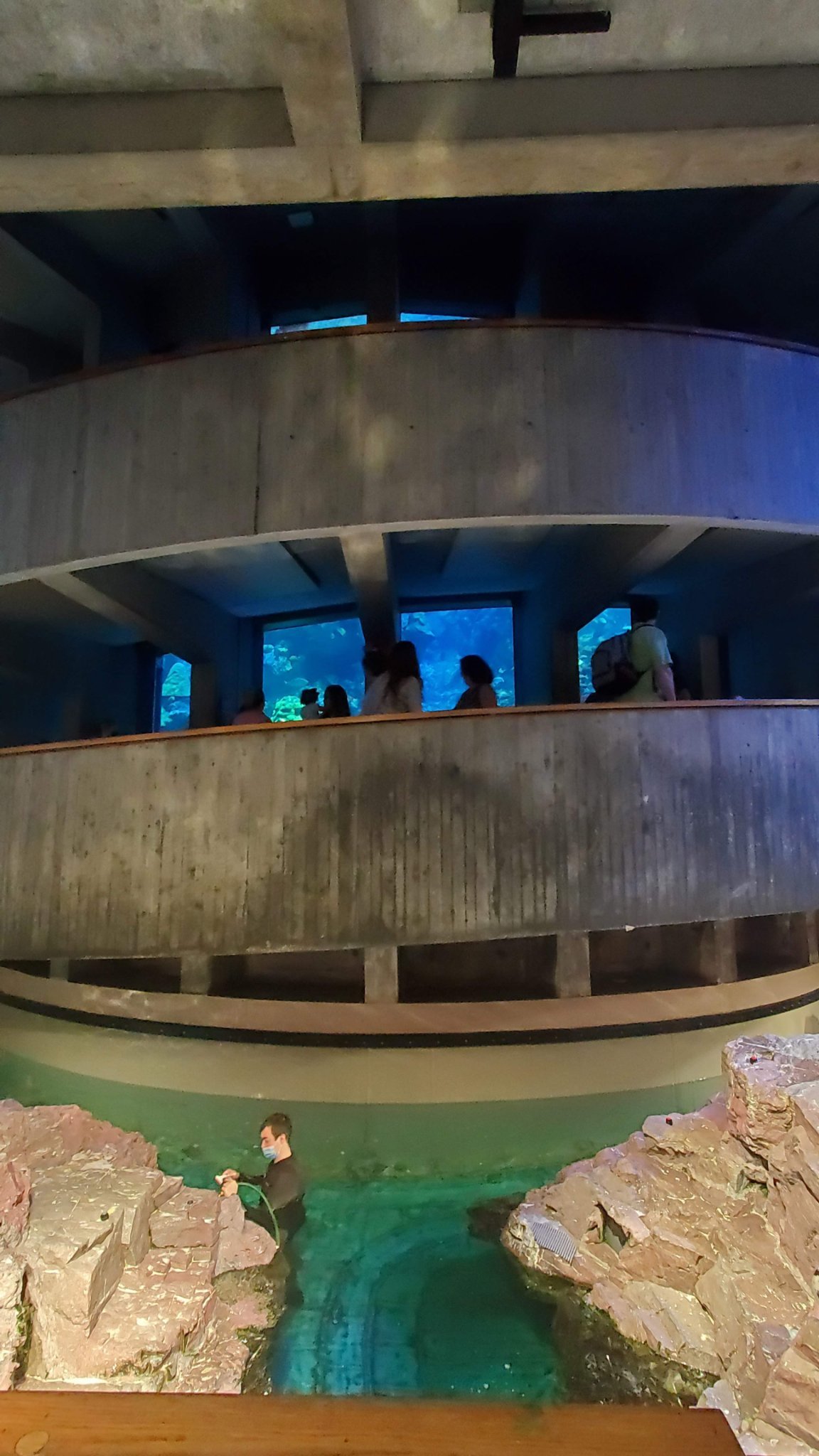
Image of the large central tank with the circular walkway at the center of the atrium.
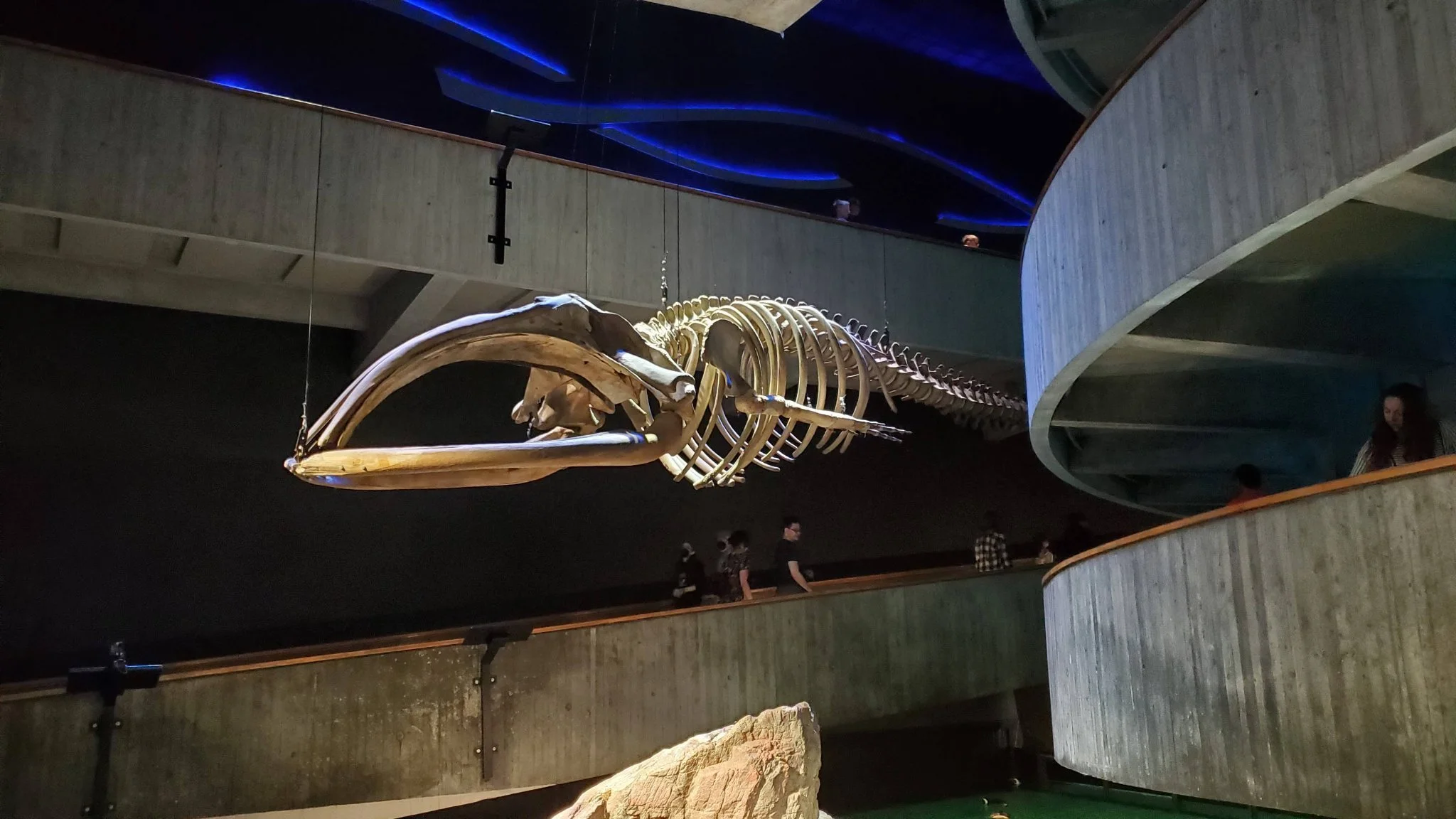
Whale skeleton and more of the walkways. Loved the vibe of the place.
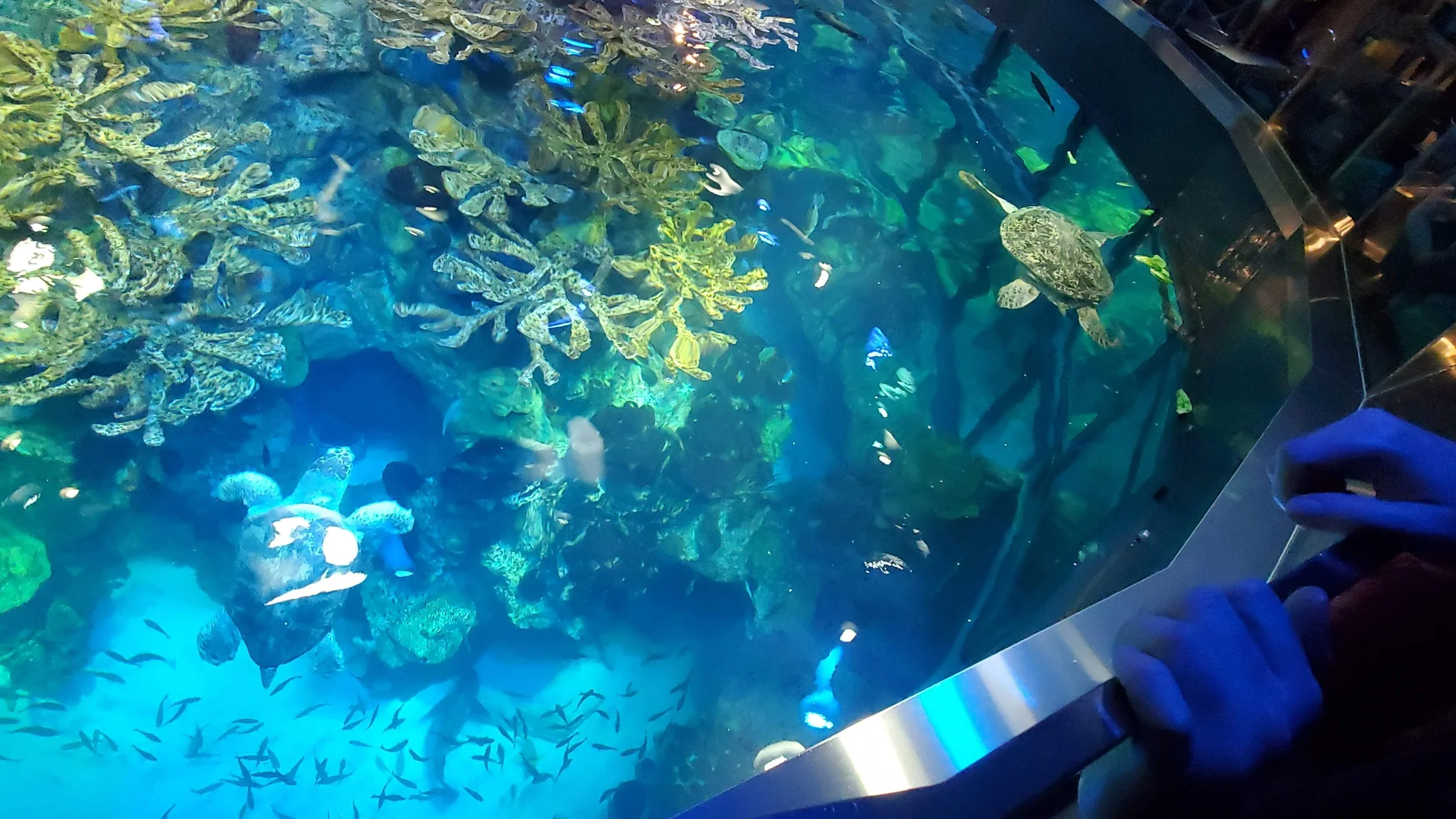
Another shot looking down into the central tank.
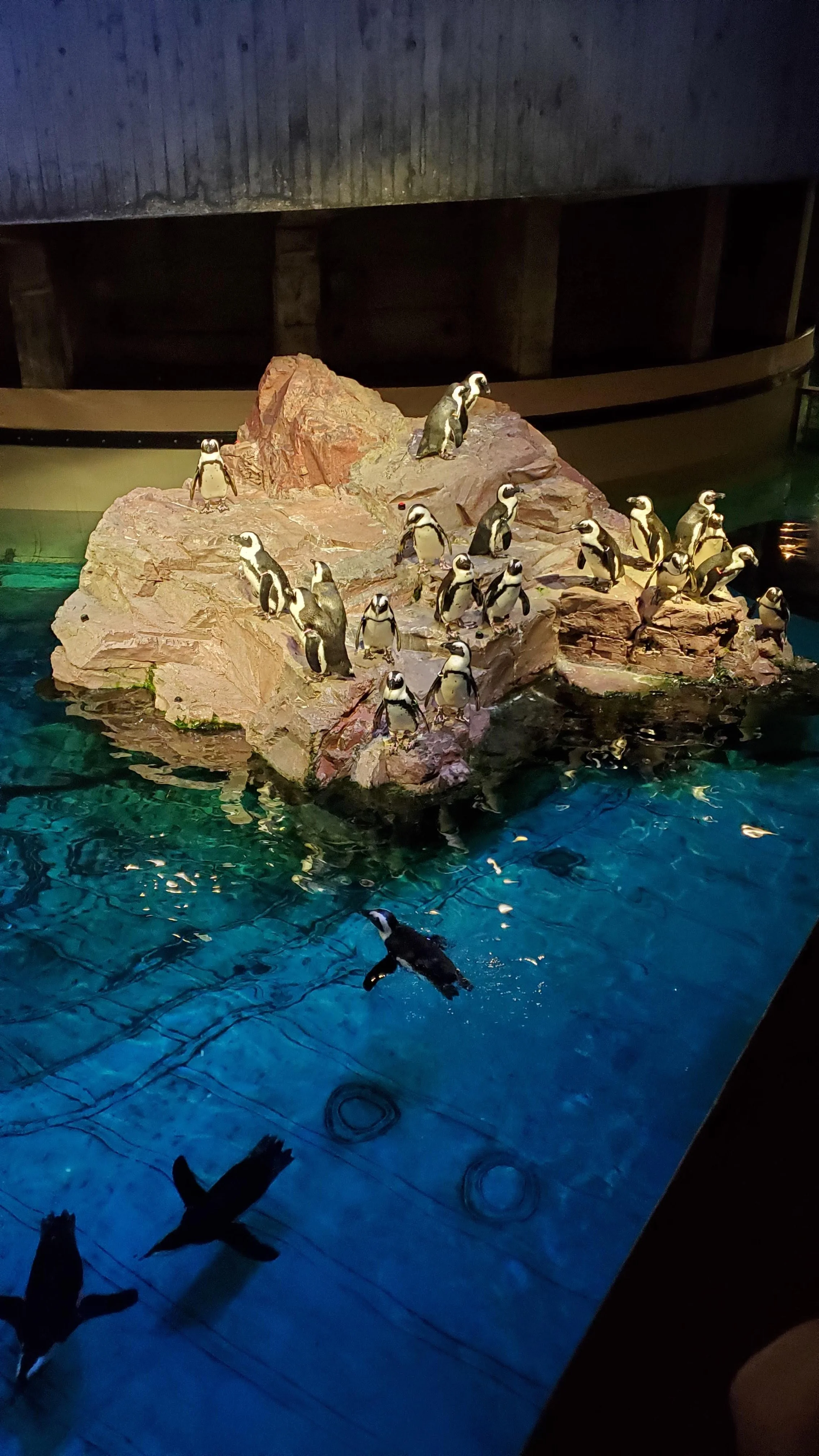
Penguin area!
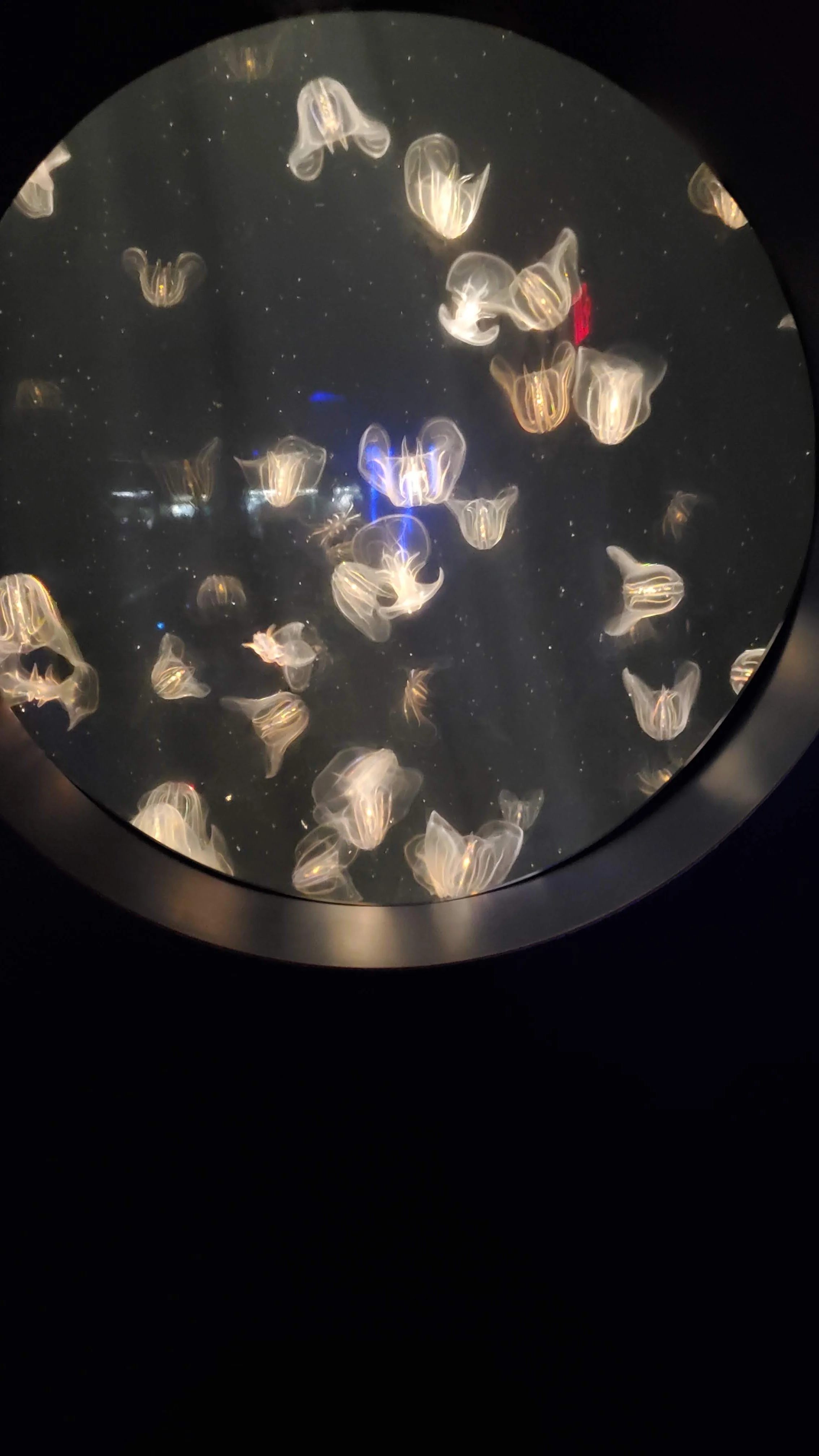
Cool Jellyfish.
We left once it started to get very busy. We were visiting on the weekend during a holiday weekend, which may have been a mistake.Our next big attraction was the Freedom Trail, which is actually several attractions all connected by a red line in the streets so you can walk from one to the other.
The Boston Freedom Trail has historic sites relating to the colonial founding of Boston, the Revolutionary war and other important historical events and places. You can also do a hop on hop off bus that takes you to the majority of these sites. We took a hop on hop off bus to get to the sites faster; some of them are rather far. We passed by a lot of historic sites (which is not hard to do in Boston) but we only went into and explored two Freedom Trail sites on this trip: Old Ironsides (the oldest sailing ship in the USA), and the Old North Church. There are plenty other sites on the trail to explore and that we need to go back and explore. A link to the website is below to check out the plethora of sites. https://www.thefreedomtrail.org/ USS Constitution (Old Ironsides)
The USS Constitution is the oldest ship still in existence in the USA. It was built in 1797 and was made famous during the First Babary wars (1801-1805) and the War of 1812. It is a classic age of sail ship propelled only by sails and armed with cannons. Despite its name, the sides of the ship (like all ships in the 18th century) were made of wood. It got its name Old Ironsides because the hull was so thick that British cannon from the ship HMS Guerriere would bounce off it. This was during a battle in the War of 1812. Anyone who is into pirate films, or just has an interest in preindustrial travel and warfare, the movie Master and Commander: The Far Side of the World is a must see. 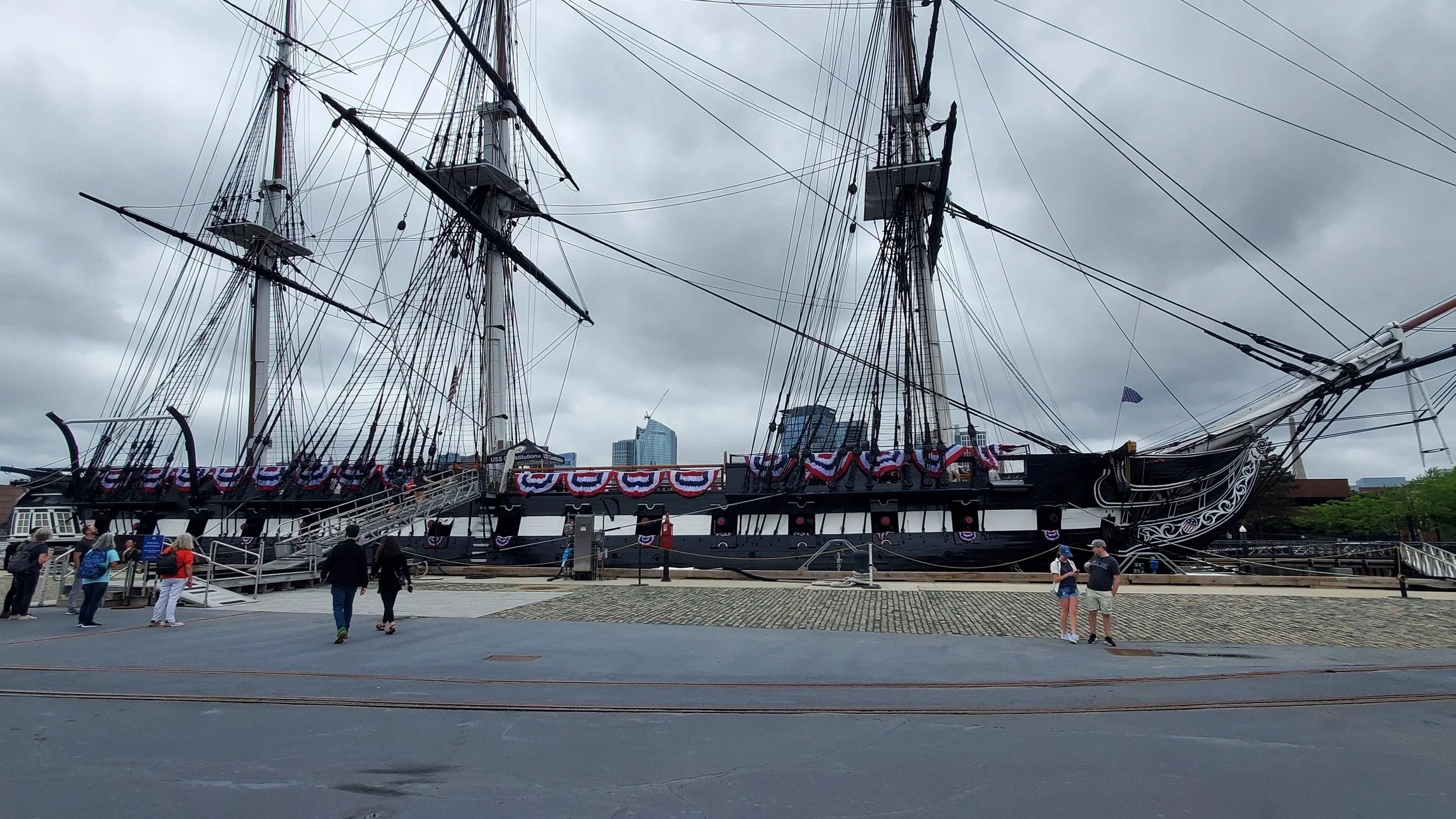
A good shot of the ship with its tall sails.
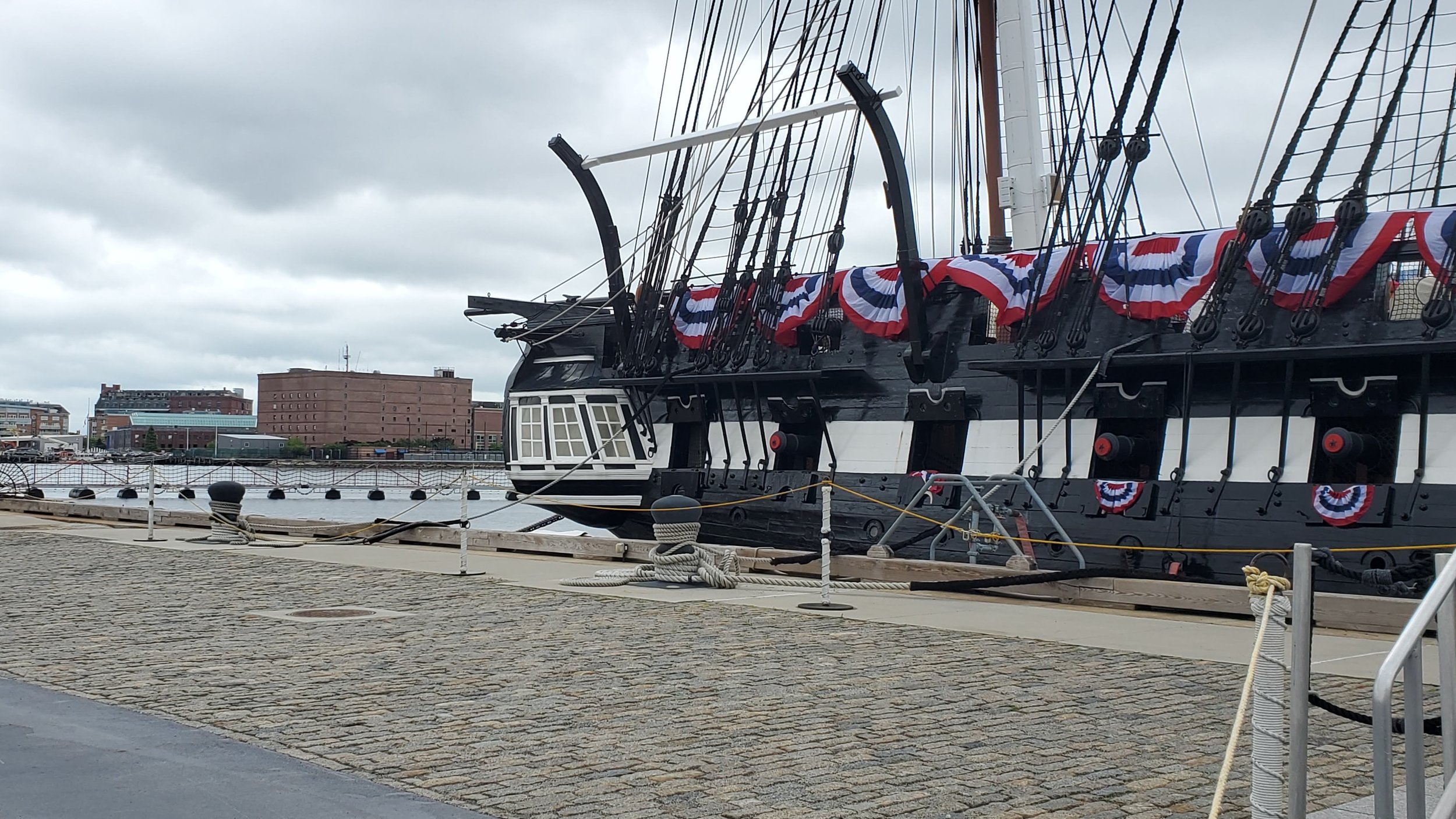
A closer look at the Captain’s cabin area in the stern and some of the cannons. This ship had one deck of cannons
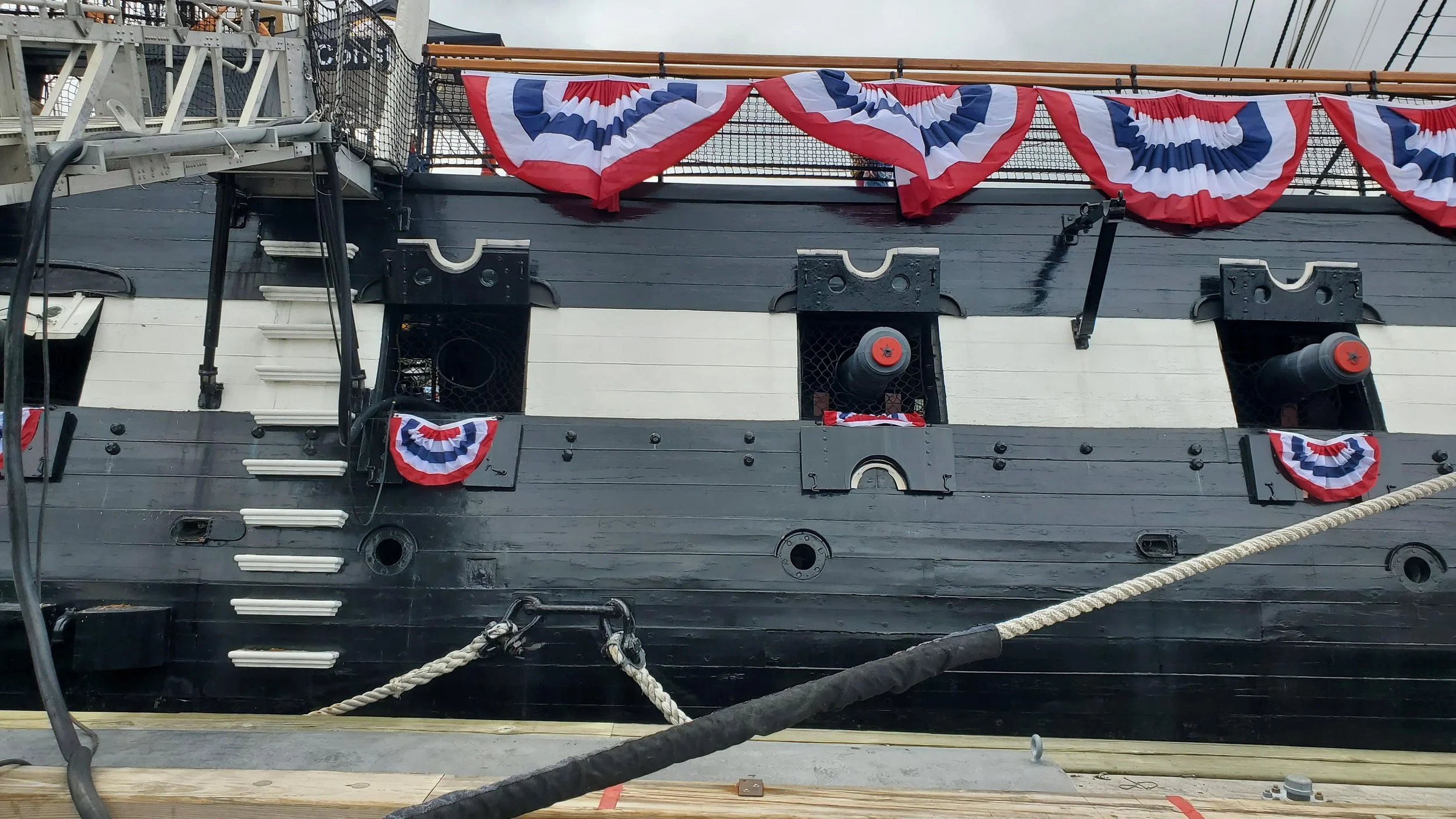
Closer look at the cannons.
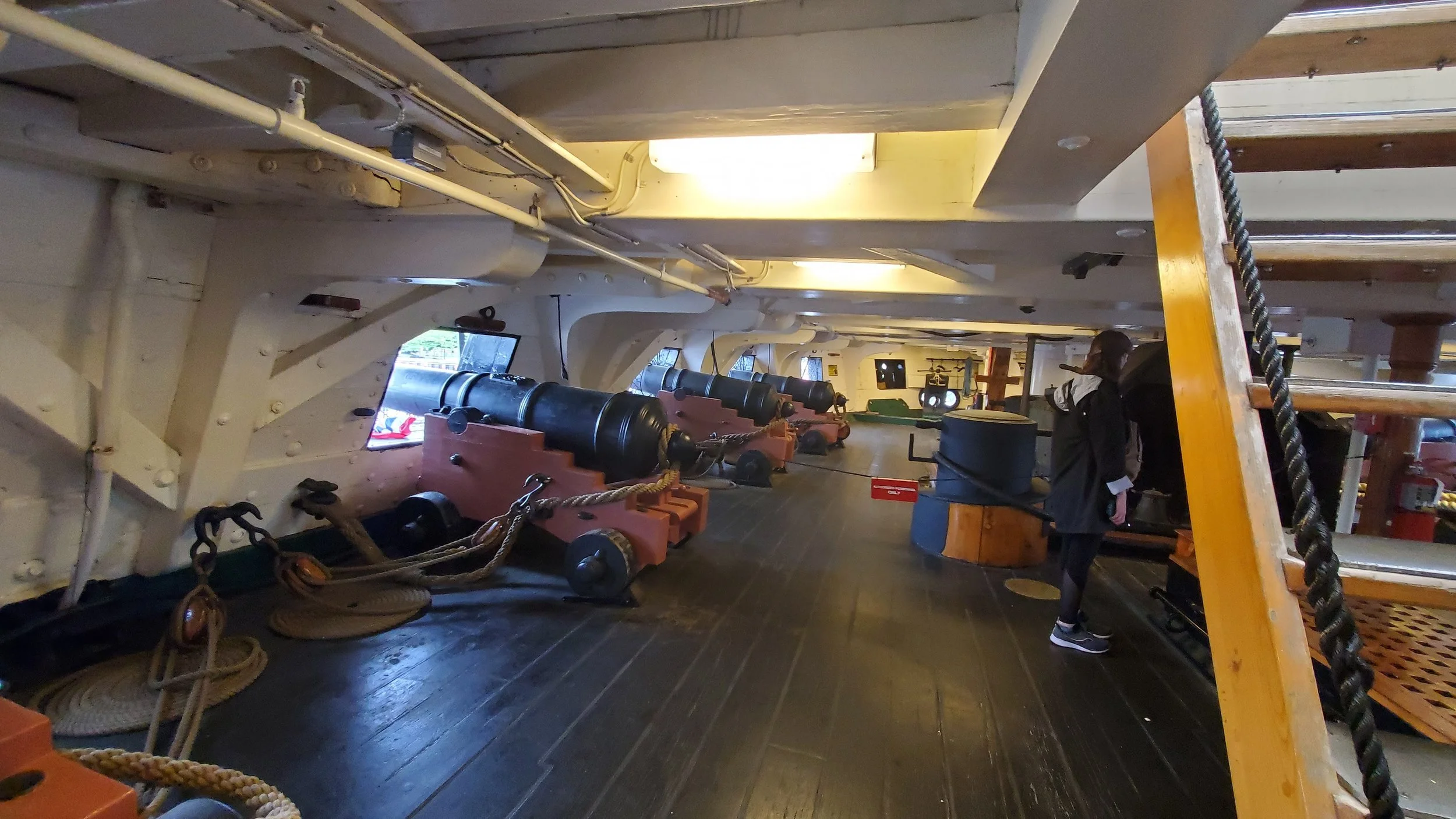
Inside the ships gundeck. The ship is still commissioned as a US Navy vessel, so there are Navy Sailors on board who answer any questions you have. They are very knowledgeable.
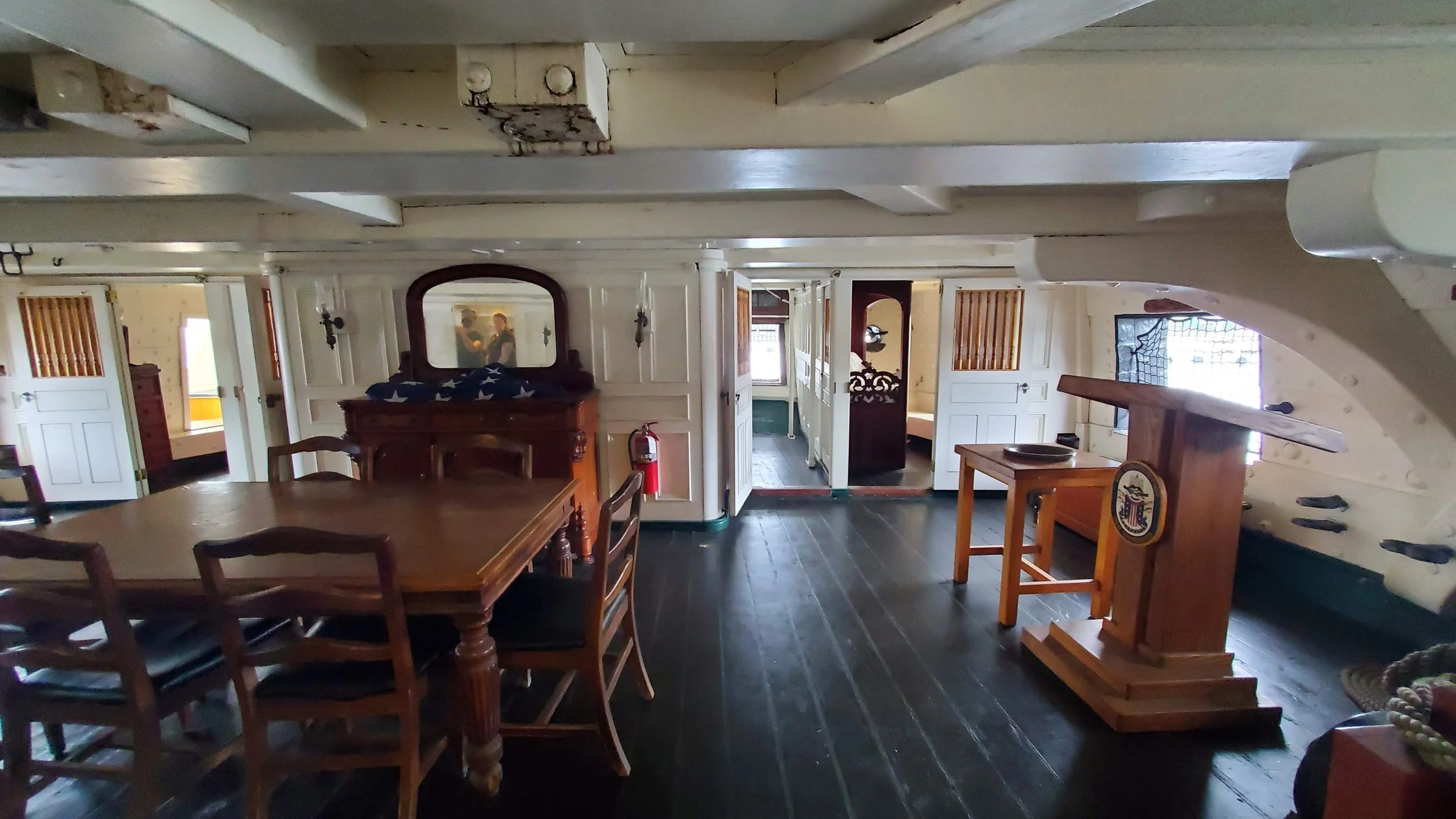
dining room and the Captain’s cabin behind it.
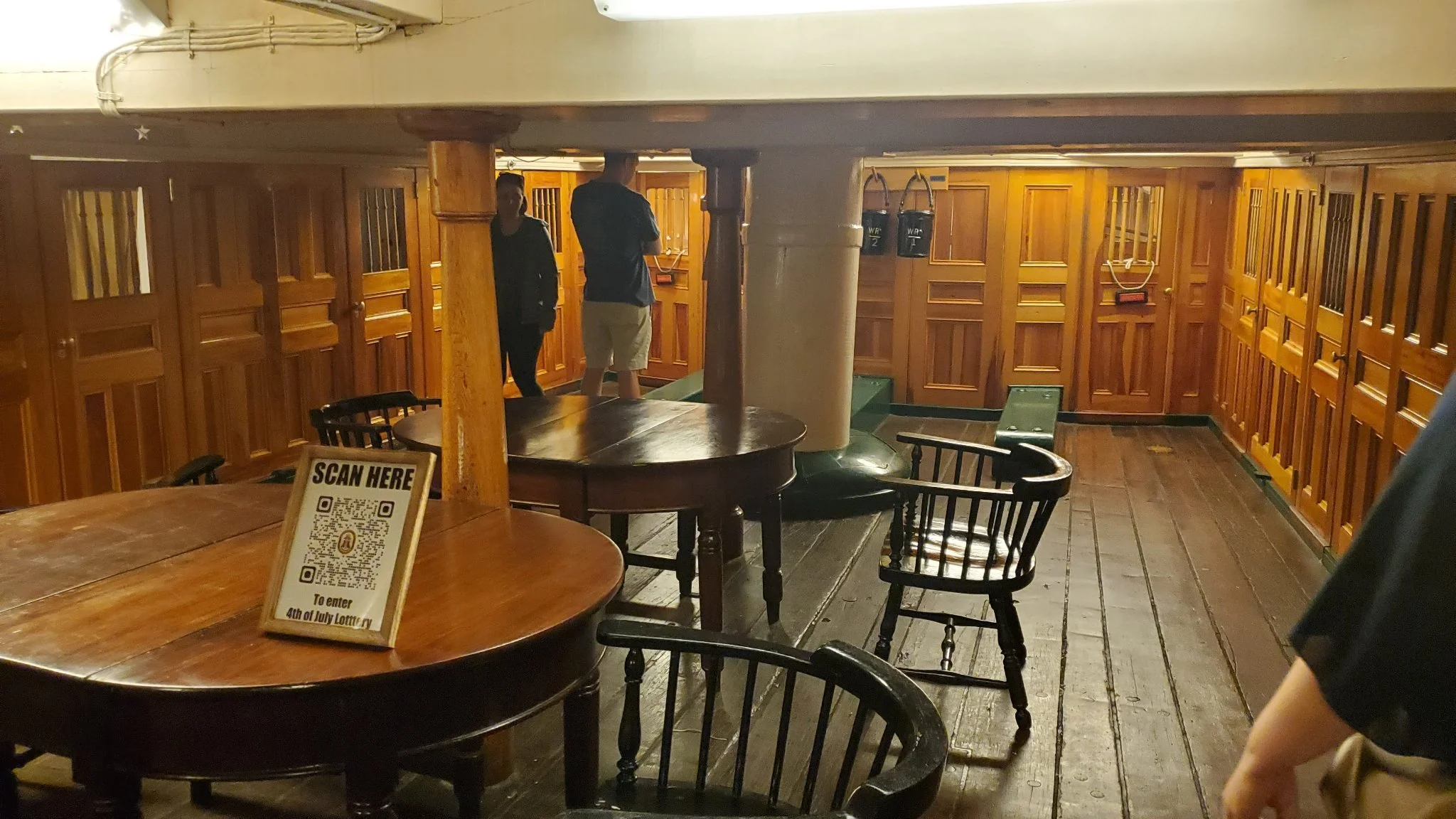
Above, this is the officer’s quarters. It looks like small jailcells but those were actually the rooms of the higher ups. This was more luxurious than the rest of the crew who just slept on hammocks in the gundeck. They also ate there too at their stations.
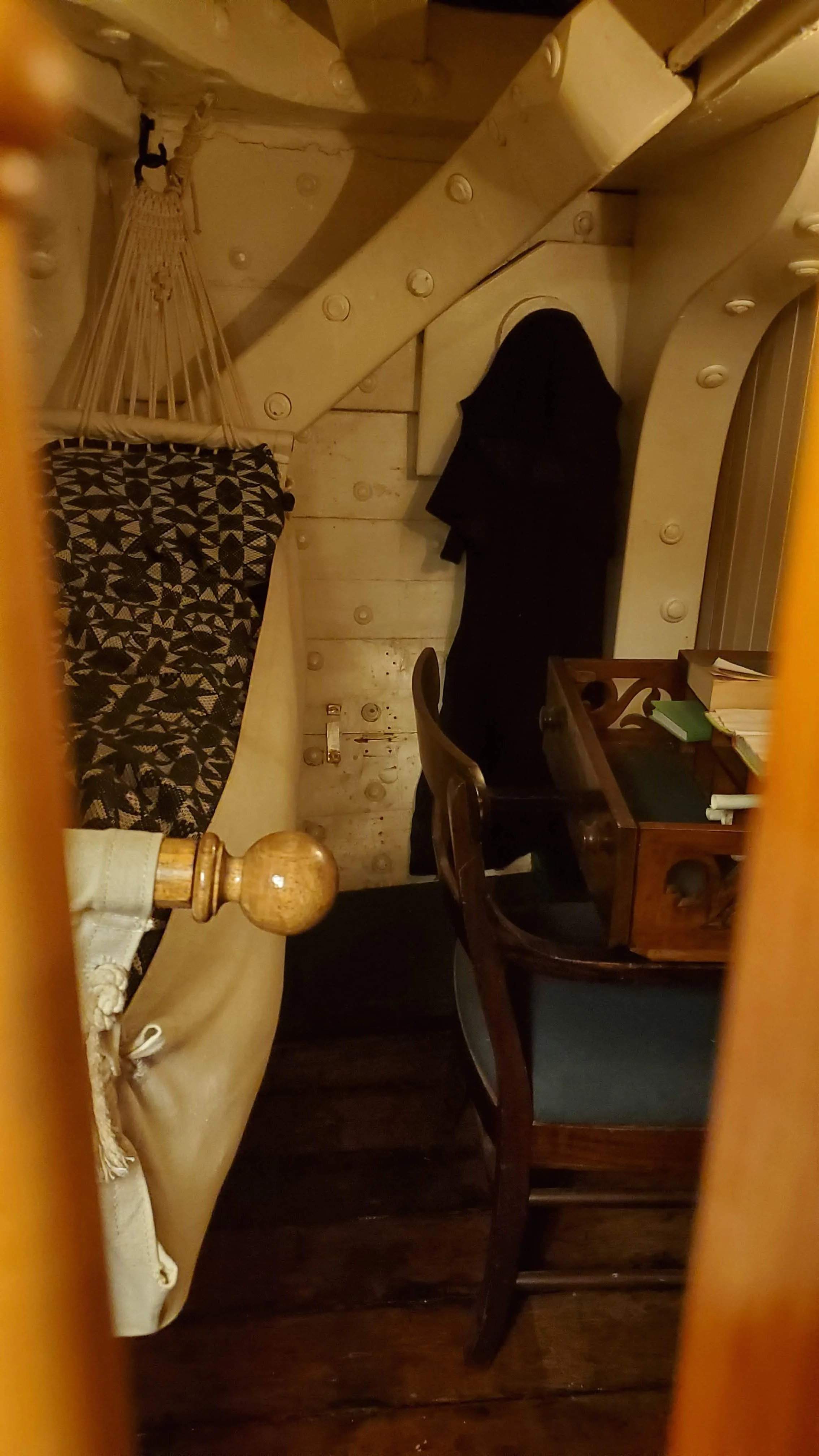
Right: A picture inside one of the officer’s quarters. They only had their hammock and a tiny desk, but this was still much more room than a common crewman had.
There's also a museum and an old dry dock near the ship but we only had one day and so much to see so we moved on. We had two reservations. One was for a harbor cruise, the other was for a tour of the Old North Church catacombs. 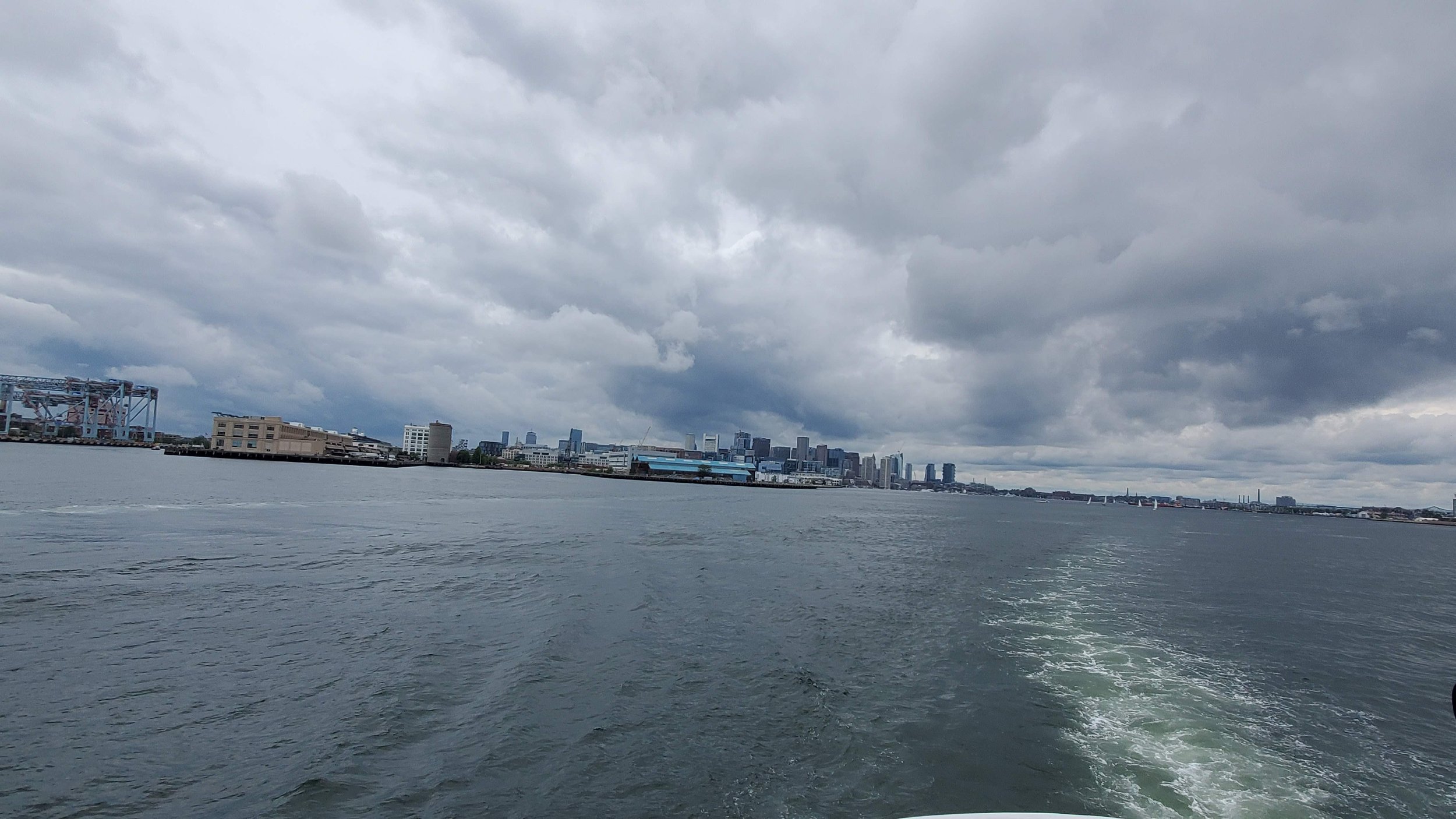
On the cruise ship, looking back at Boston. Every time we are in a lake or city near water we like to do a cruise. The narration in this cruise was very good. One interesting fact by our tour guide was pointing out large ships that were digging out the bottom of the sea to make the harbor deeper.
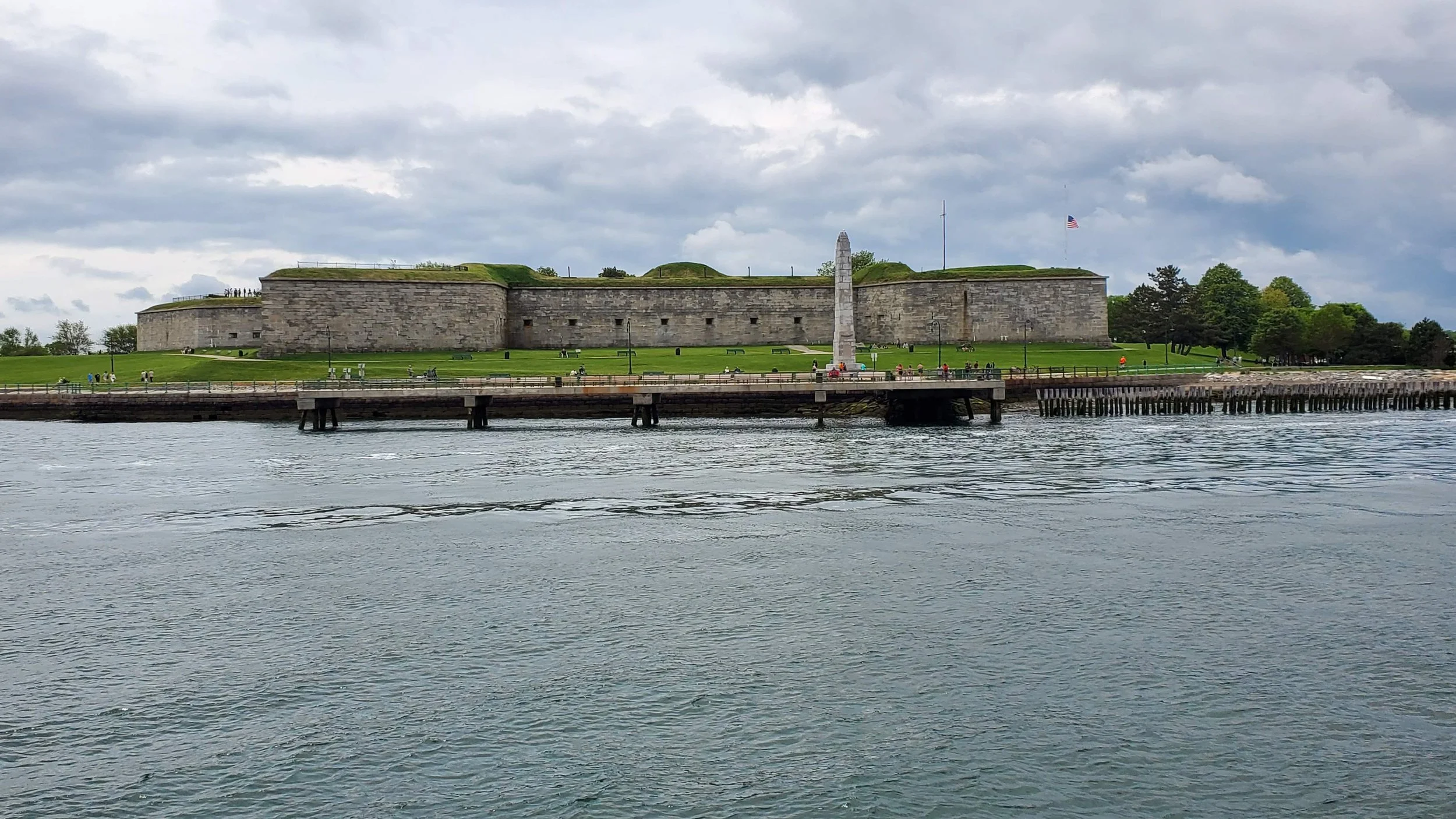
Another interesting part of the cruise was a good view of Fort Independence on Castle Island. This is a strategic location where forts had been built since very near the founding of Boston. The latest fort is from the mid-19th century. It is also well known for being an important location in the video game Fallout 4
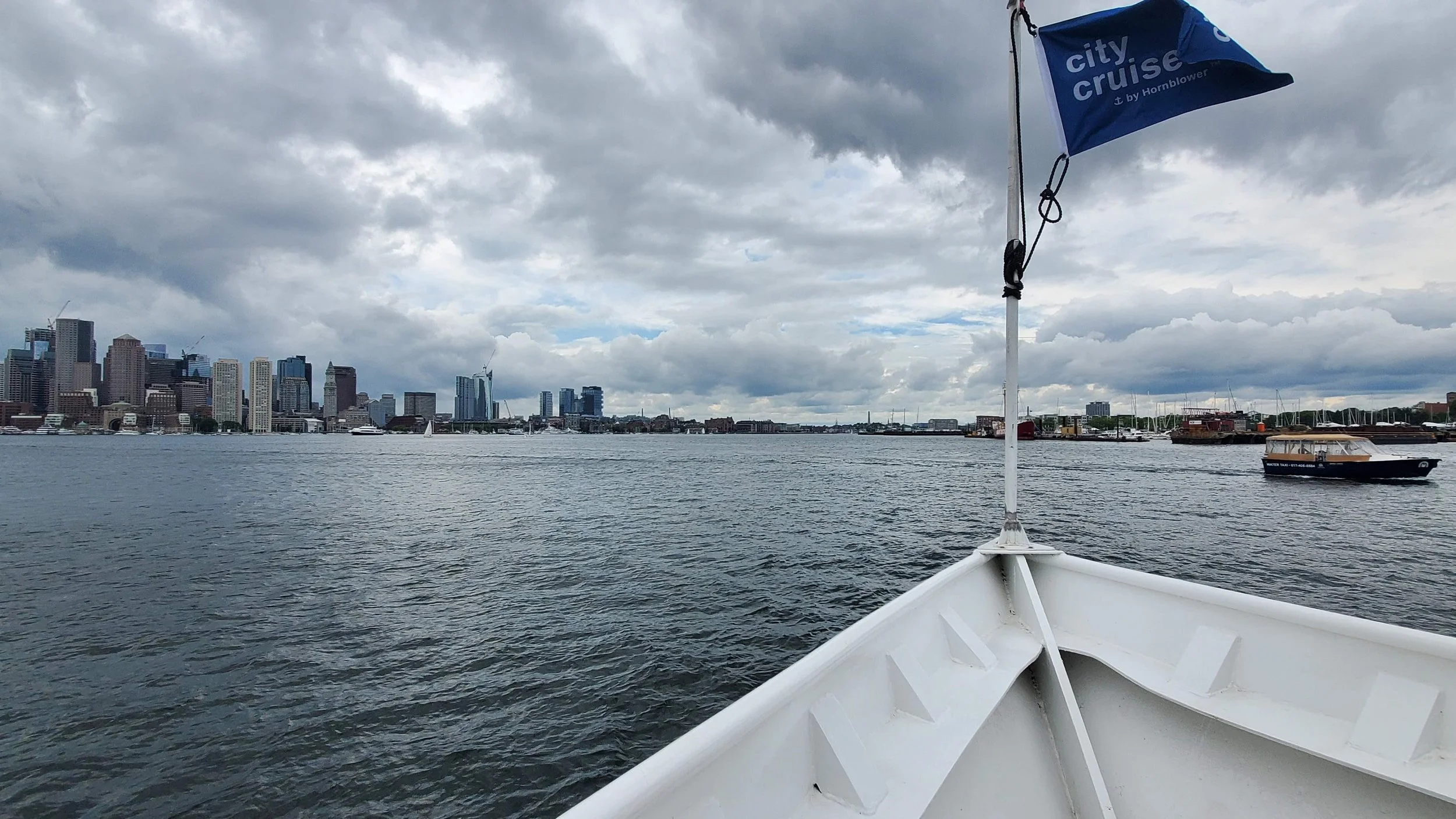
Boston Harbor.
The Old North Church was the next stop we toured. I had been there previously, but they added a lot inside the church with information panels about the Revolutionary war and how important the site is. The church became famous for its role during the American Revolutionary War. The British had Boston occupied in 1775 and when they decided to sent troops out into the countryside, the Americans Patriots in the city decided that they would use the church's tall steeple to alert the American Militia if the British were coming by land or by sea. They hung one lantern if by land and two if by sea. This was made famous almost 100 years later when Henry Wadsworth Longfellow wrote a poem about Paul Revere's ride to warn the American Militia of the British troops. While I liked the interior of the church and all the historical panels they have, the crypt was a little bit of a disappointment. The church was built in 1723, so they obviously had a lot of bodies they needed to bury. The crypt space was kind of small, and I don’t think it was worth the extra money. The tour guide had some good information but still would not recommend it. I think the tower tour might be more interesting, will have to do this next time. After that we got food at the Bell in Hand tavern, founded in 1795, the second oldest tavern in Boston. We ate outside to enjoy the good weather. The inside was old brick and very 18th century as well so next time we may sit inside. I believe I got the fish and chips, a classic for coastal cities, especially ones with cultural ties to England like Boston has. 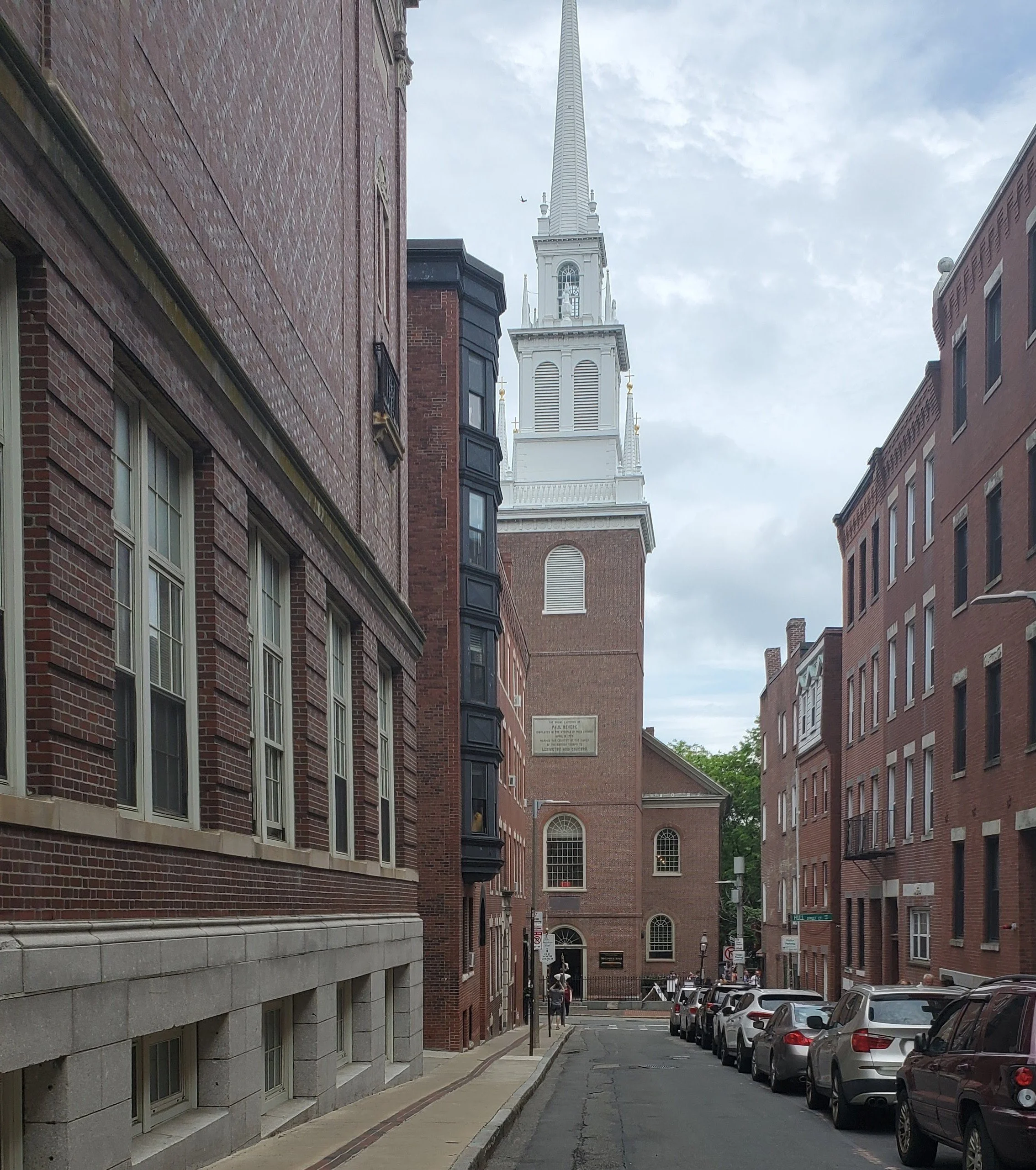
Old North Church. It was once the highest building in Boston, now the front is partly blocked by other buildings.
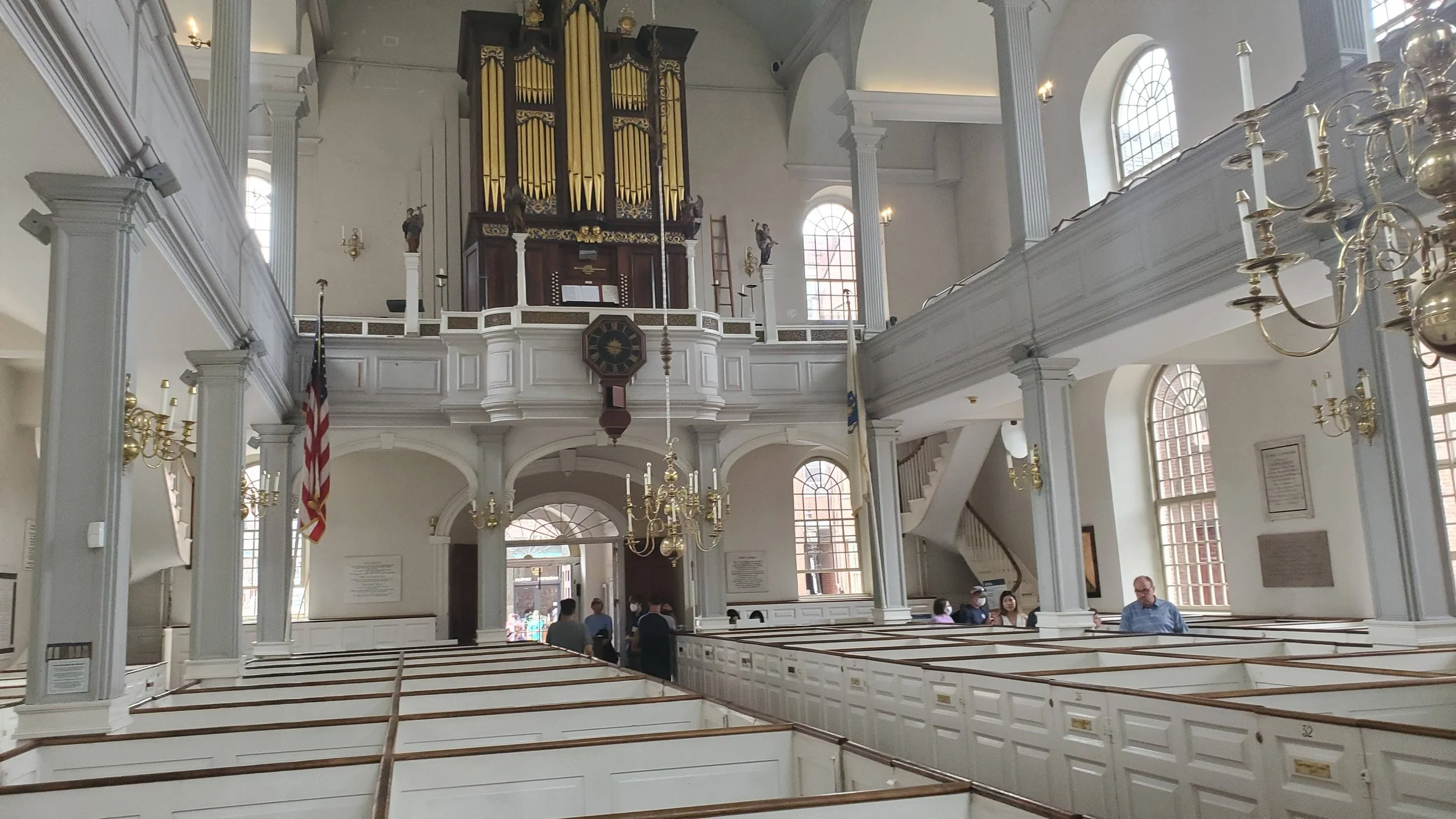
Beautiful Georgian interior of the church. Many 18th century churches in America (and New England particularly) look like this one. Families all had separate pew boxes. The richer families had larger and nicer boxes.
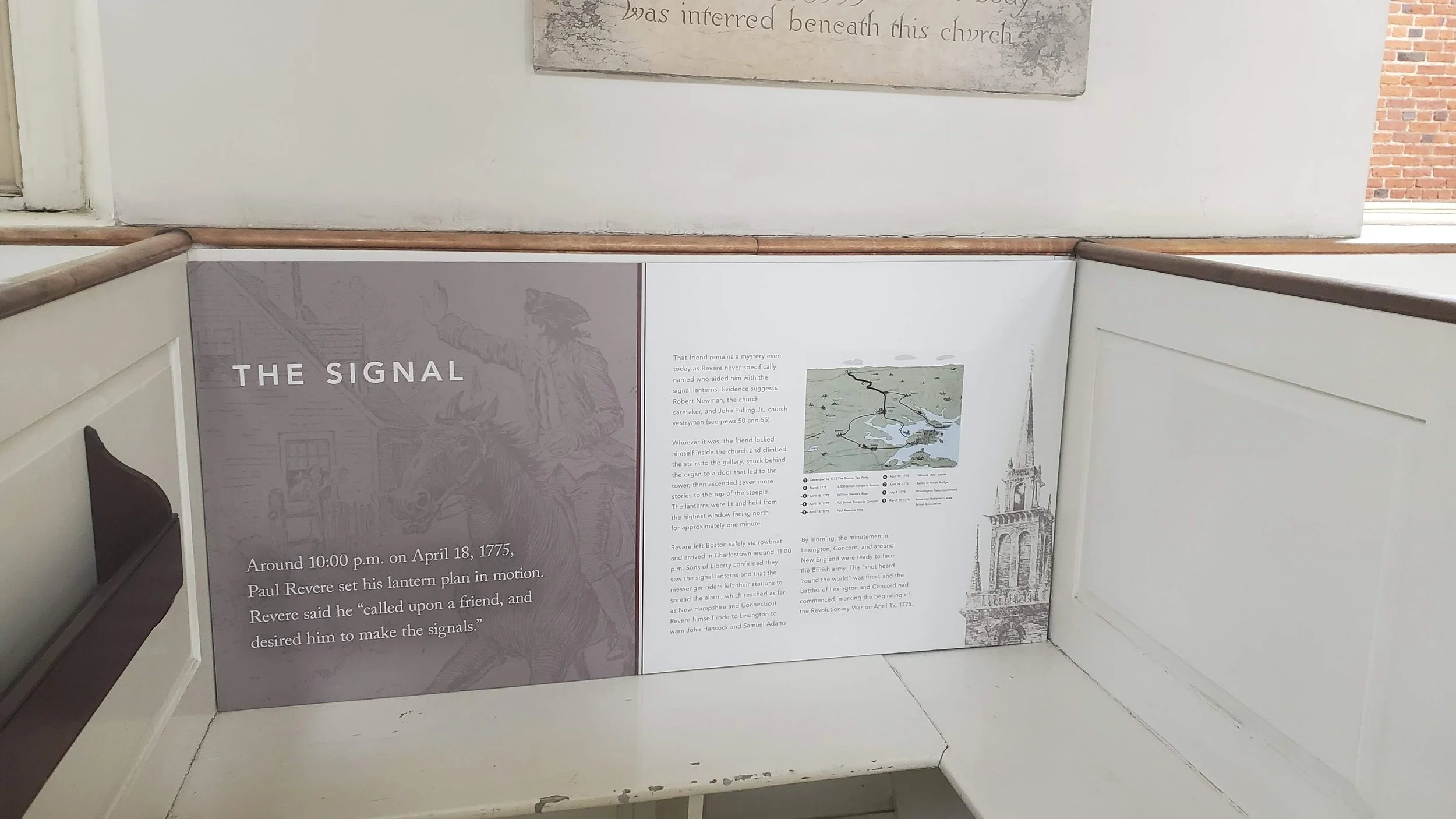
A pew with a panel mentioning the famous signal and Revere’s ride.
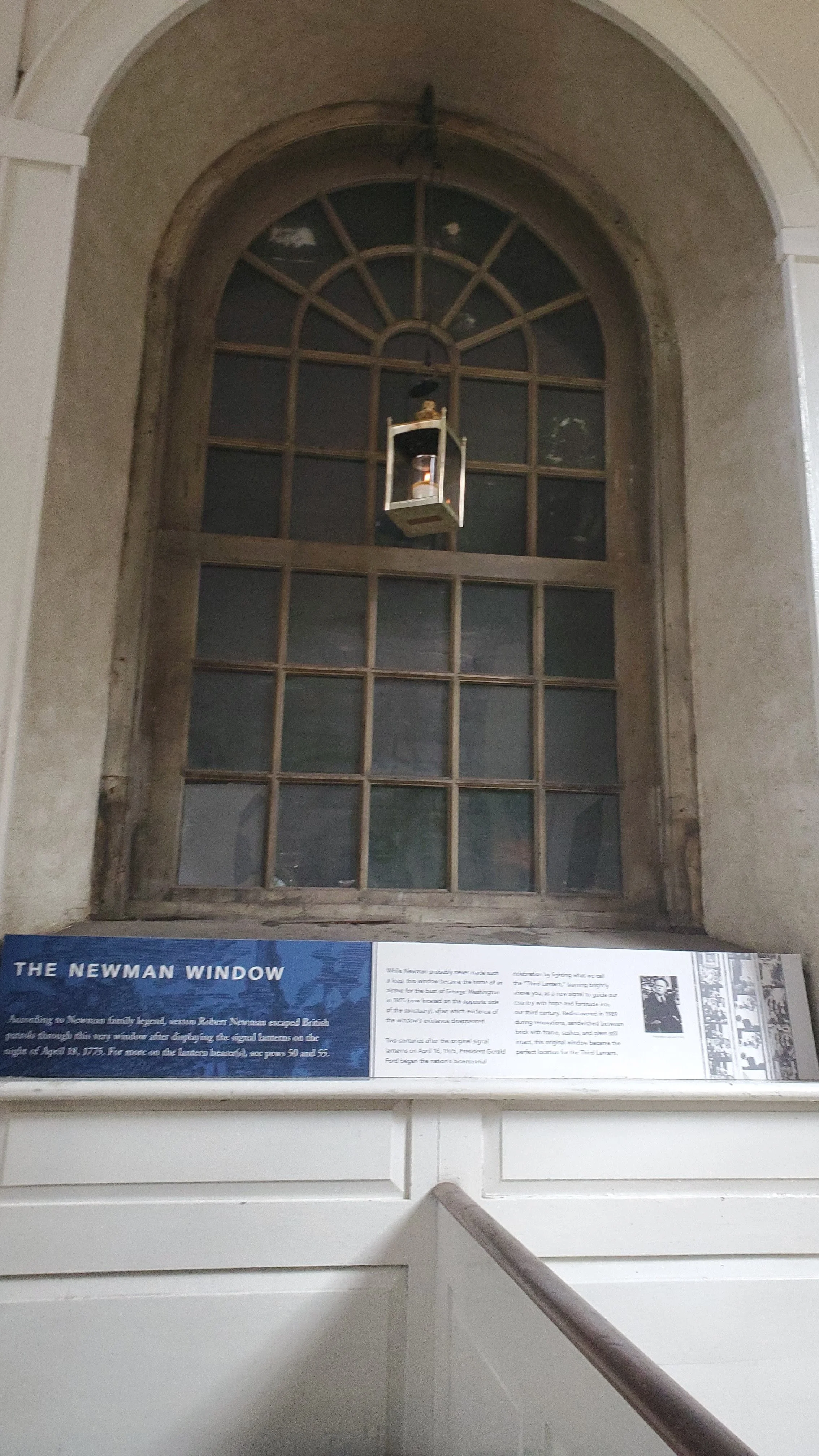
This is the Newman window. The sexton of the church Robert Newman was said to have jumped out this window to avoid being caught by the British after handing the signal lanterns. I imagine his epic jump through this window was similar to action movies where all the glass shattered epically.
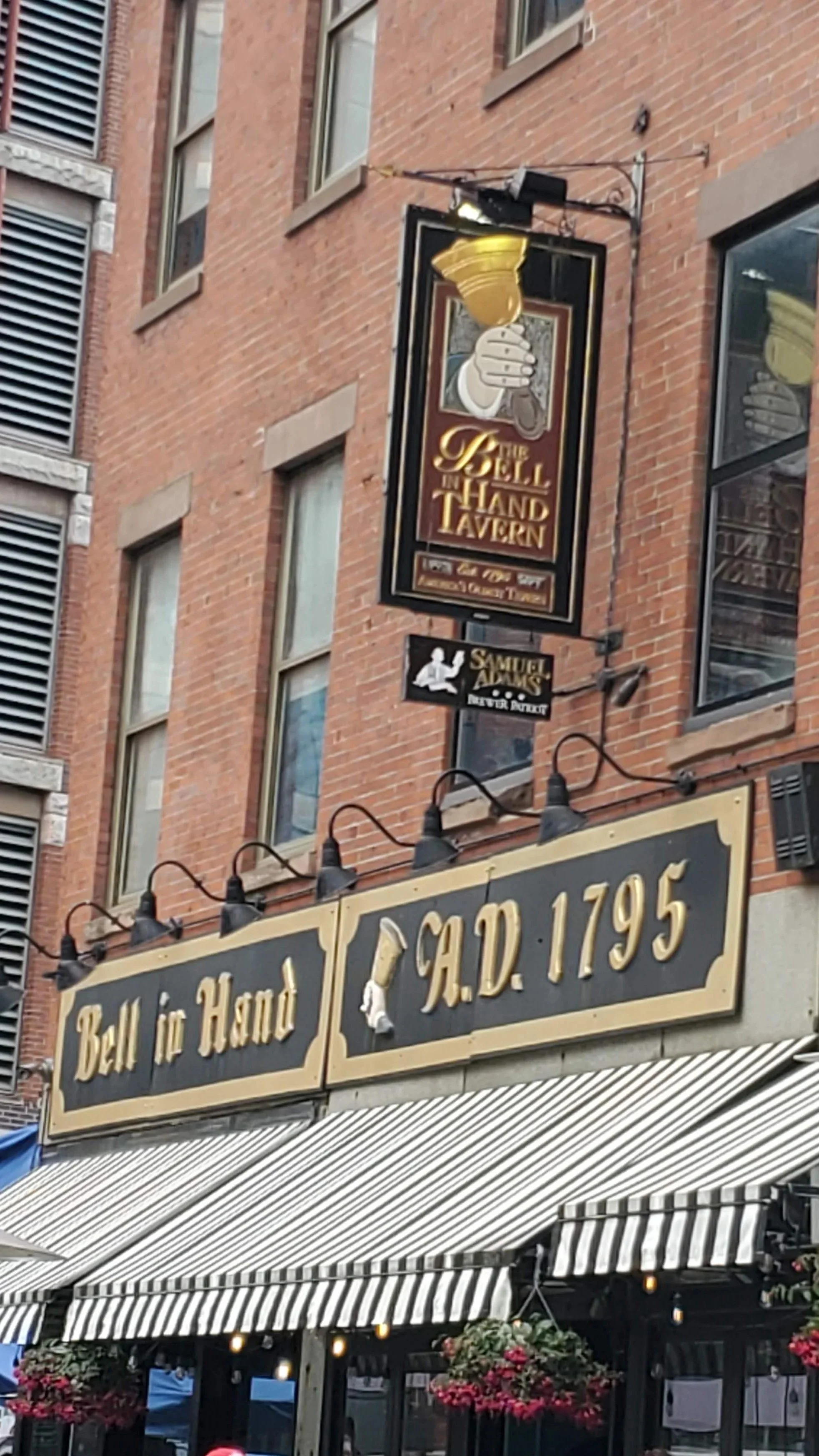
The cool old sign for the Bell in Hand.
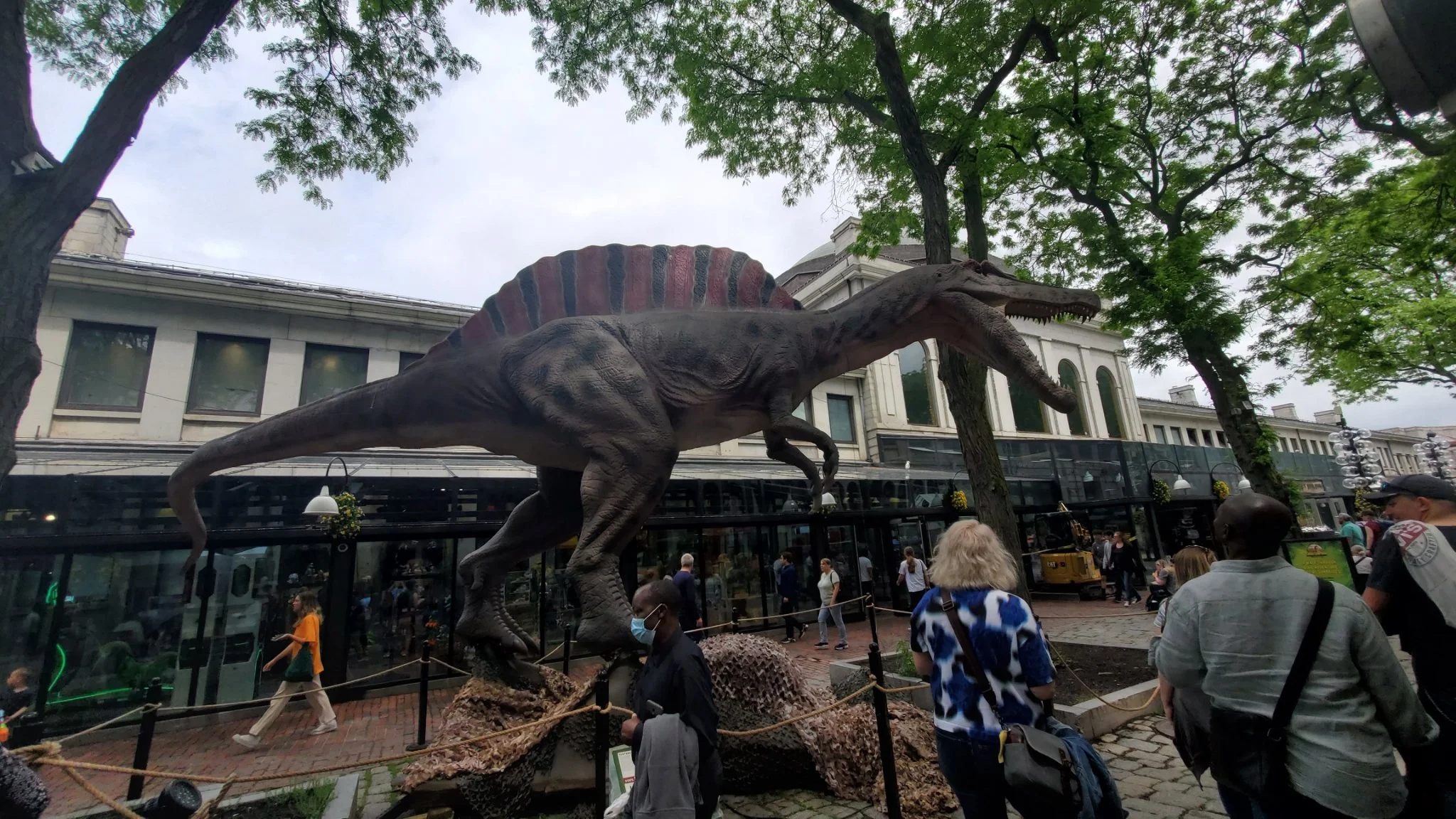
A dinosaur in Qunicy Market, because why not
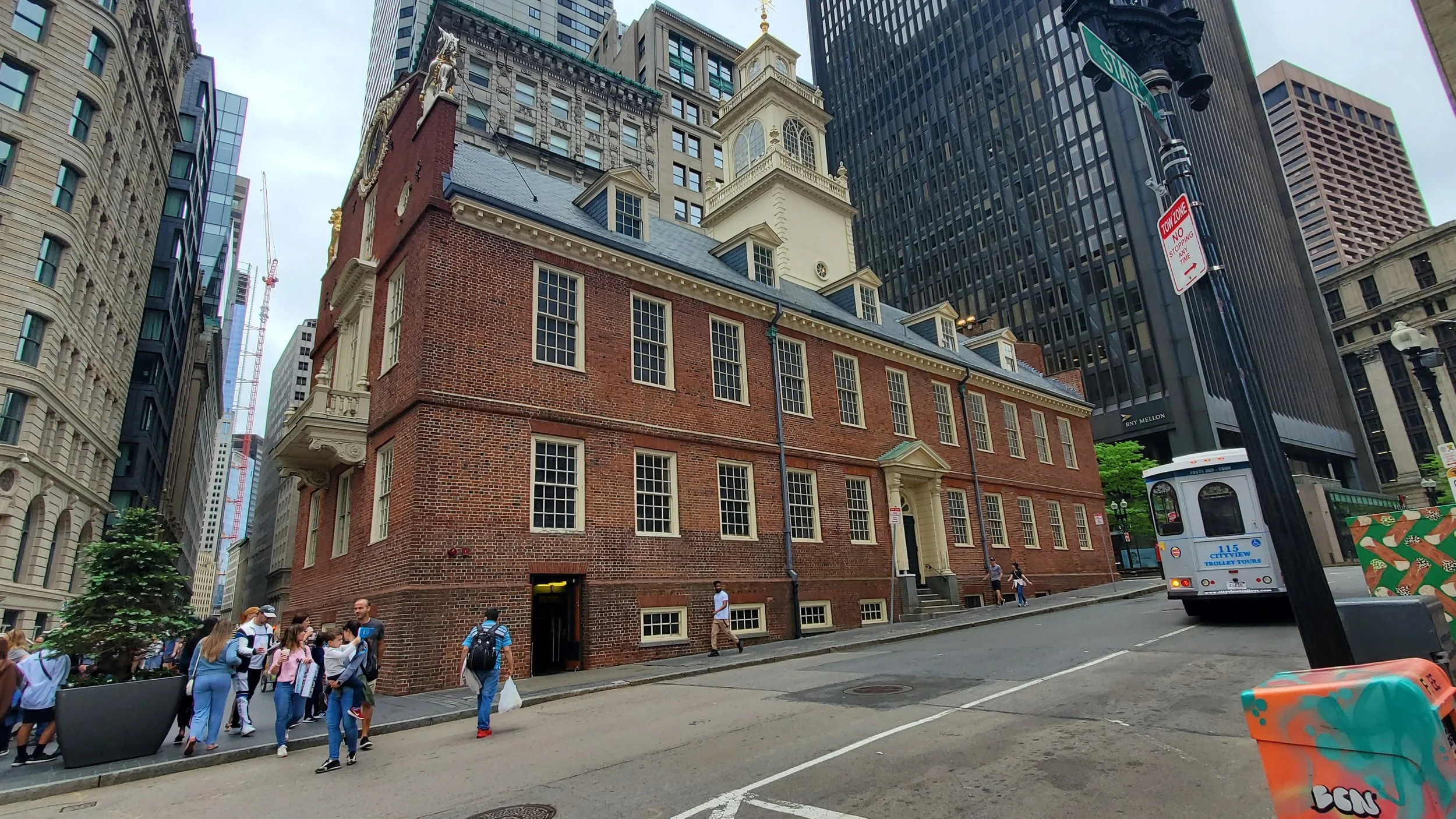
The Old State House of Massachusetts. We did not go in but it is on the list for another visit. I love the shot of it next to the modern buildings for contrast.
Some other noteworthy points of interest were the chill vibe of Quincy Market, which is a good place for souvenirs and also had a dinosaur because why not. We had done a lot on our Boston bucket list but there was still more that we will have to save for another visit. Boston is one of my favorite US cities. Day 3: Beach and towers
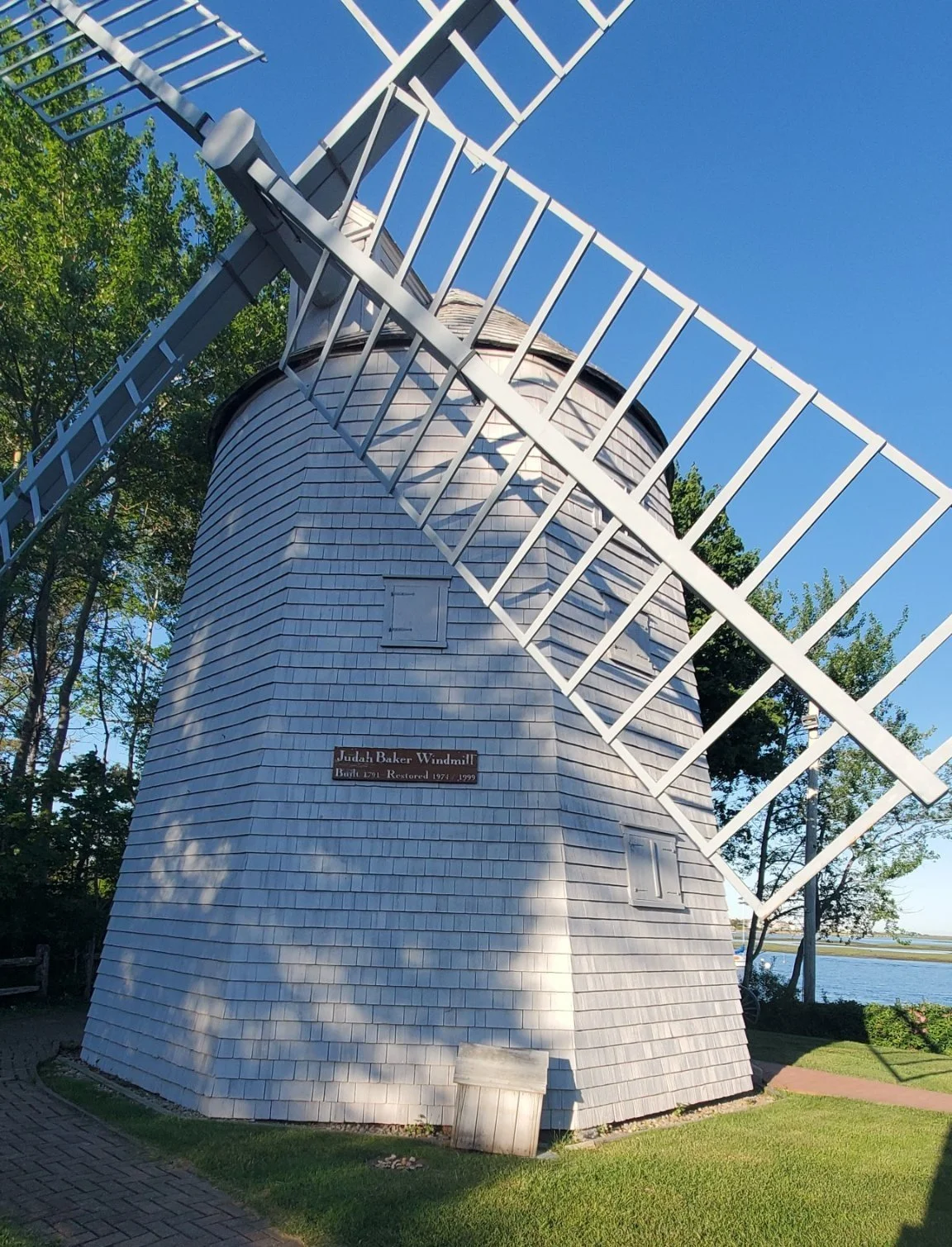
We arrived at our new Airbnb in Cape Cod after Boston. It was a cool downstairs area of a larger house. It has a separate entrance and was much more secluded than the first Airbnb. We dedicated most of day 3 to relaxing on a beach as this is what Cape Cod is known for. We went to Corporation Beach as it was recommended by our Airbnb host. The beach has everything you need, toilets, snack bar parking. It is a little expensive (I think 25 dollars) to park for the day but we later returned here to watch the sunset, so we probably got our monies worth. We bought a large beach tent so I could enjoy the beach but not burn in the sun. Cerisa was not so lucky. She fell asleep and forgot to reapply sunscreen and got a really bad sunburn. Remember to reapply that sunscreen everyone. There were a few other little things we explored nearby after the beach day and waiting for the sunset. We saw a windmill from the 1790s in a tiny park, had dinner at Hyannis and went to a viewing tower before going back to the beach. You can tell the sunset was impressive since it was used for the cover photo for this page. 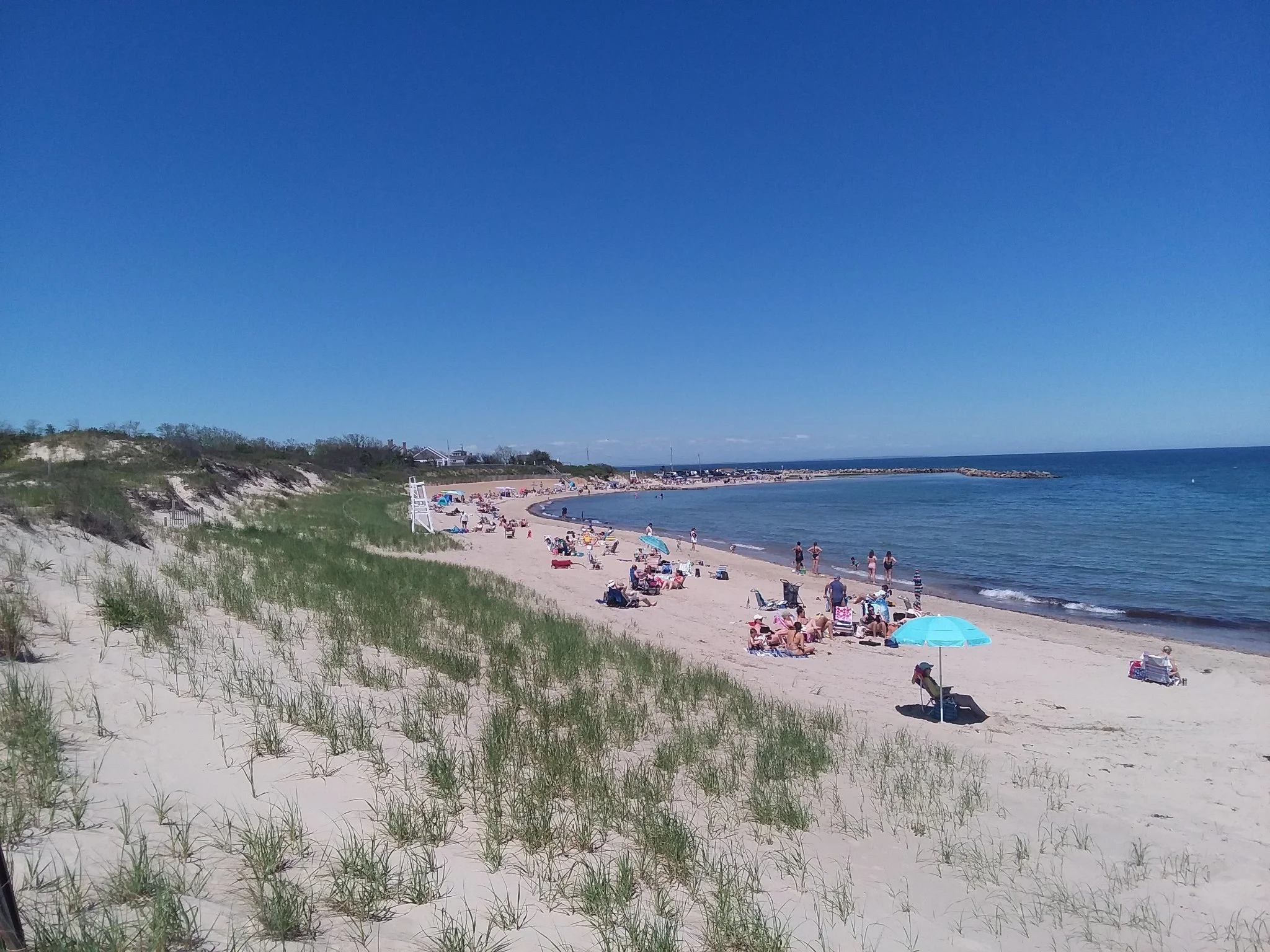
Corporation Beach, day.
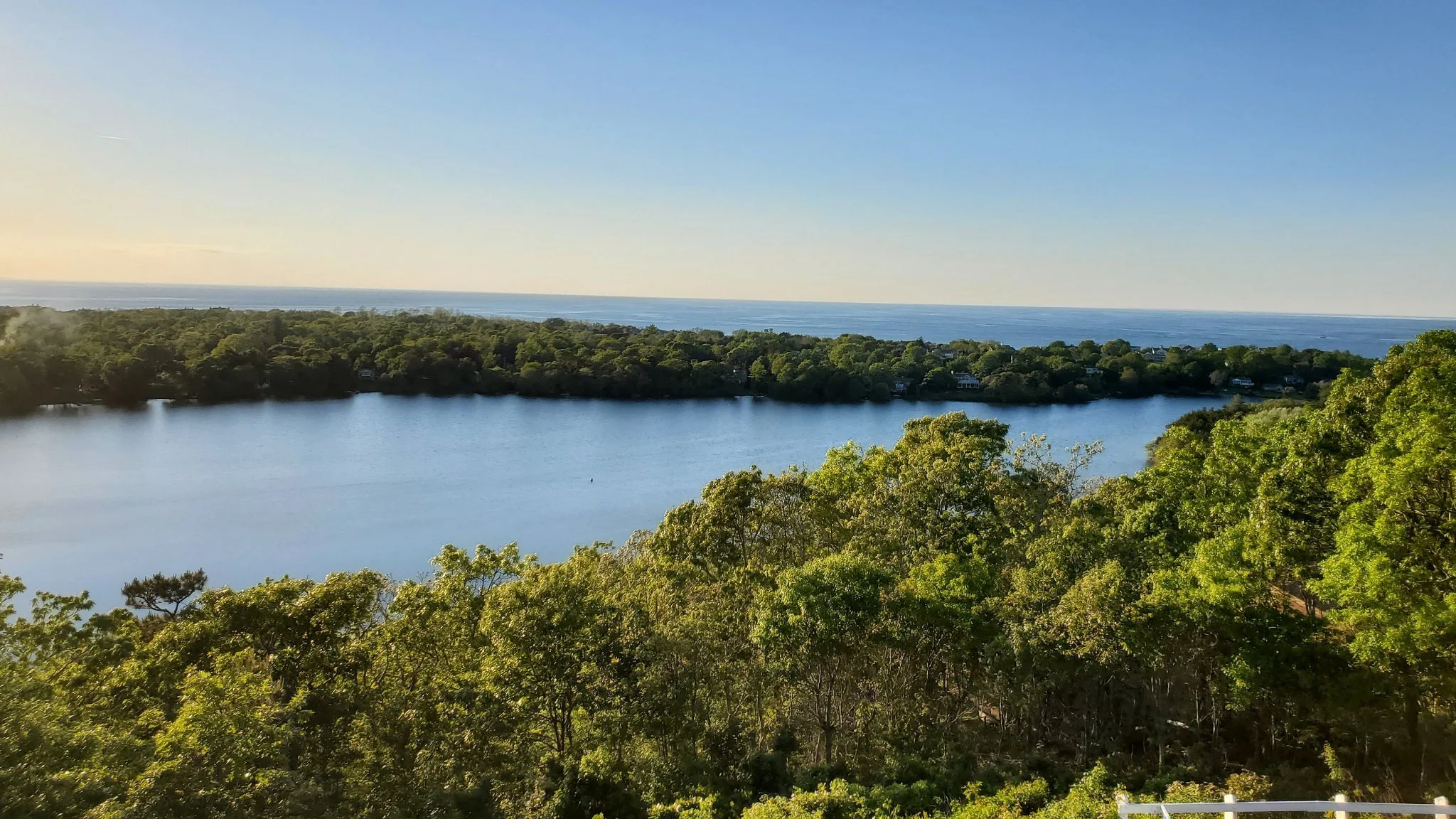
Above, view from Scargo Tower. A cool stone viewing tower near an ice-cream place.
Left: the windmill built 1791 restored 1974/1999.
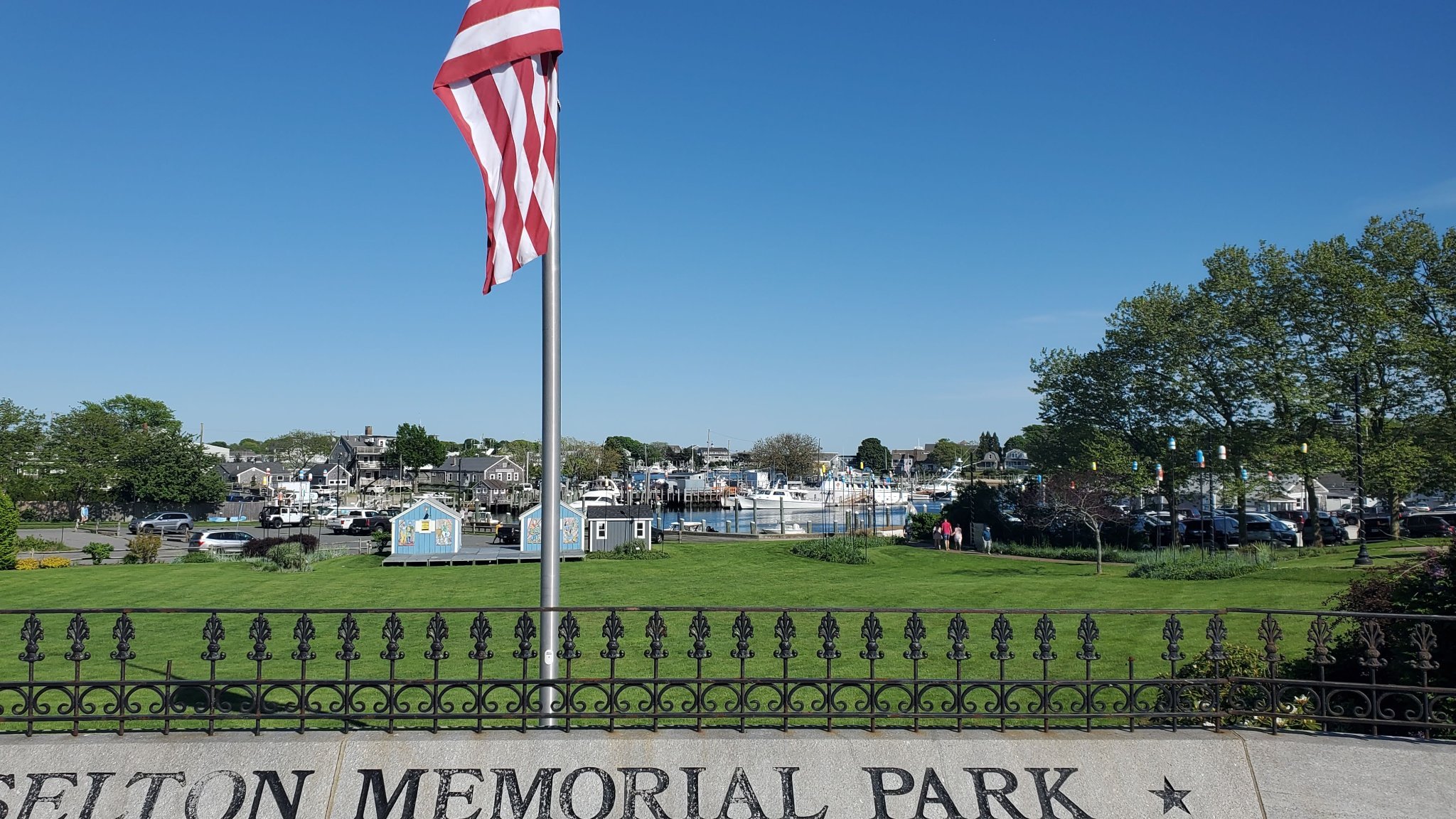
Hyannis.
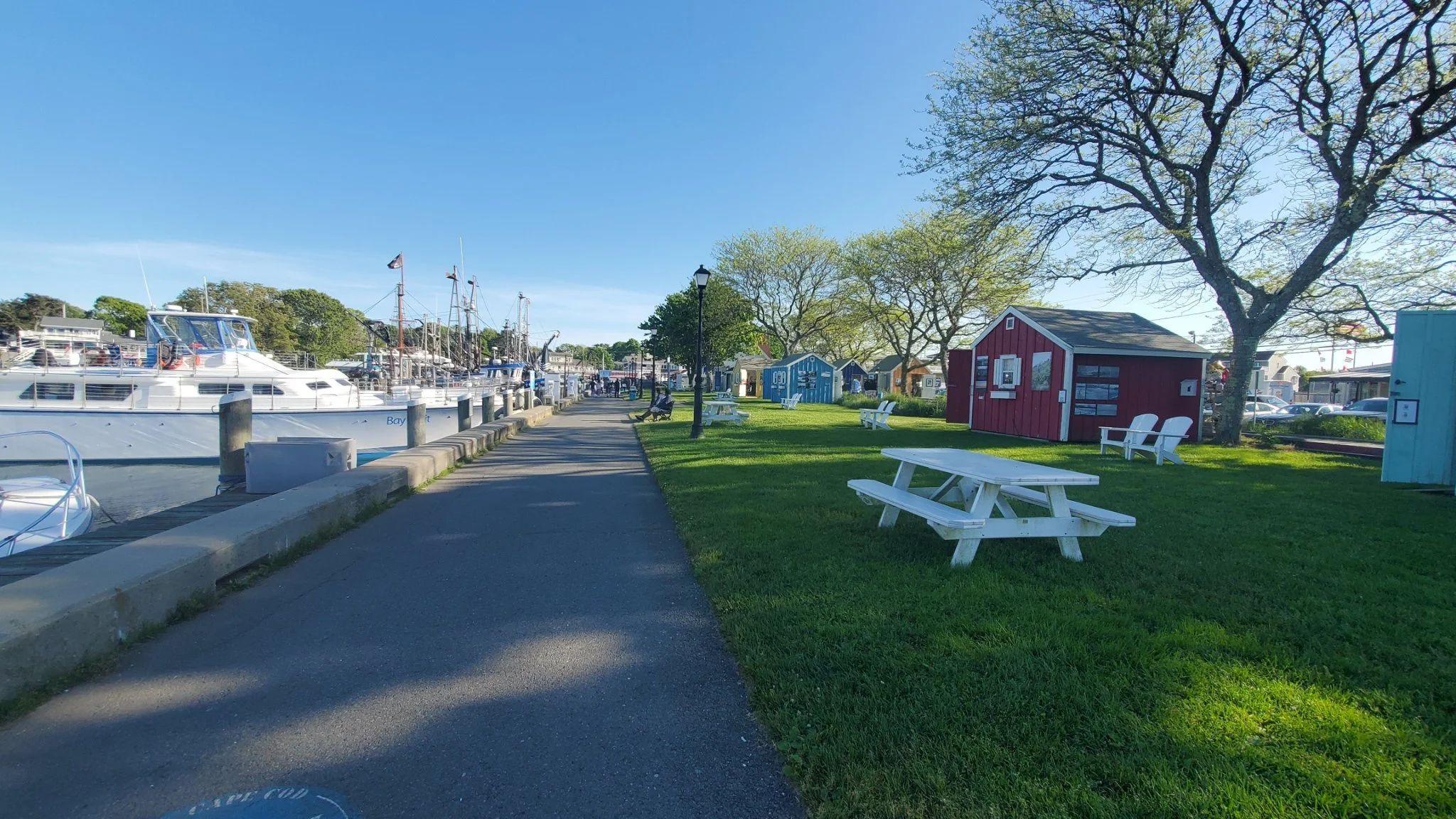
Hyannis small shacks that were selling random crafts.
Hyannis wasn’t that impressive honestly. We were reading an article that really hyped it up so that probably didn’t help. There just wasn't really a lot to do and it's not even on the coast. The shopping main street was okay, but aside from shopping for nautical themed items we didn't find much else to do. The restaurant we went to was near the dock and had pretty good seafood, so I'll give it that. 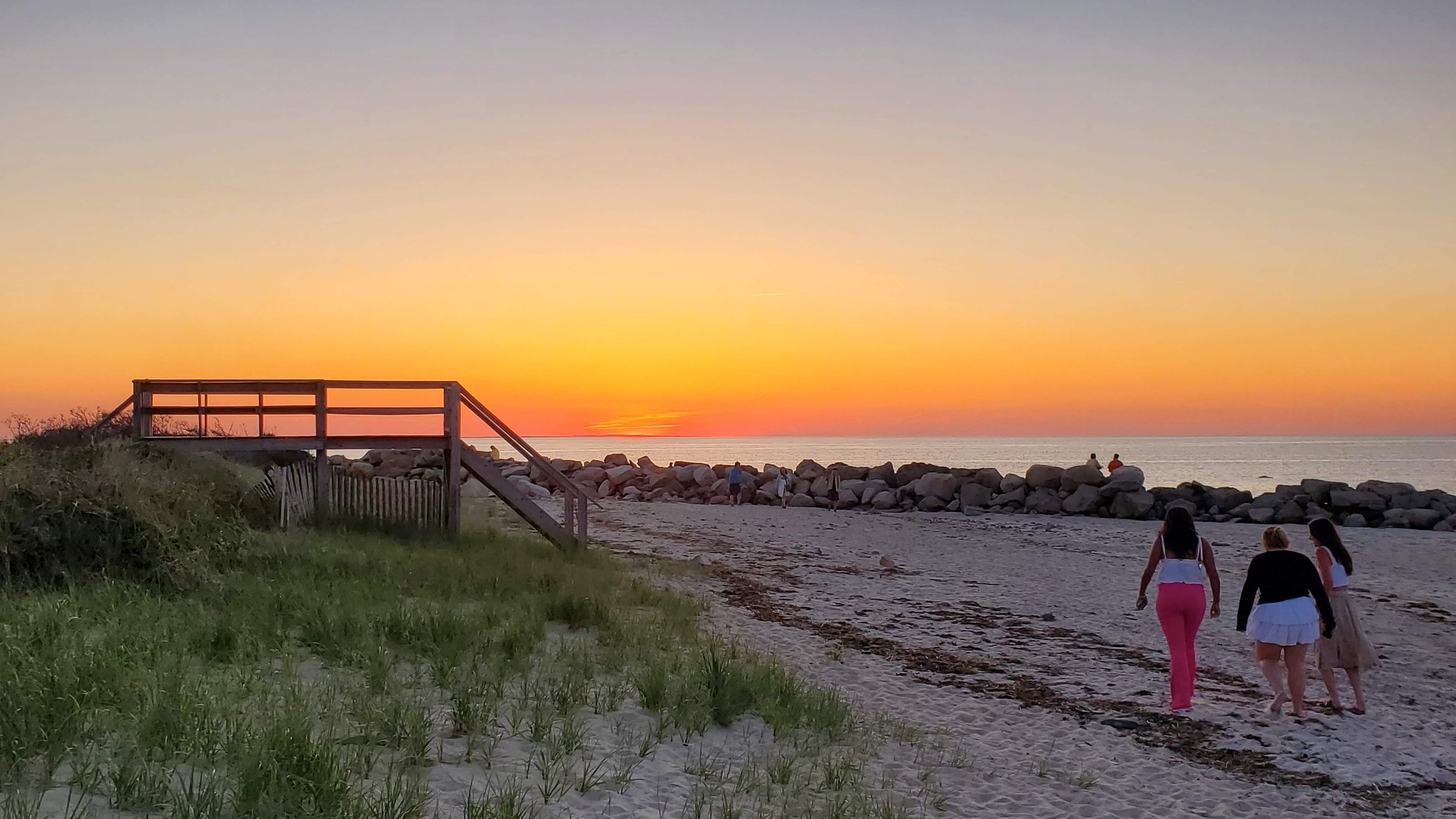
Best picture of the sunset. It looks like something from a Bob Ross painting.
Day 4: Sandwich and Glass
We had planned two beach days but Cerisa was too burnt to go back. She protested and said she would just lay on her stomach, but she relented and admitted that was probably not a good idea when she had trouble moving from the burns (she was fine in a few days). To our dismay, the Whydah Pirate Museum was closed on Sundays so that remains on our bucket list. Instead, we went to Sandwich MA. On the way to Sandwich we stopped at the Skull Island mini golf. We had driven past it between the beach and on our way back to our Airbnb and were impressed by the theming. I love a good themed anything and mini golf is a classic vacation activity. 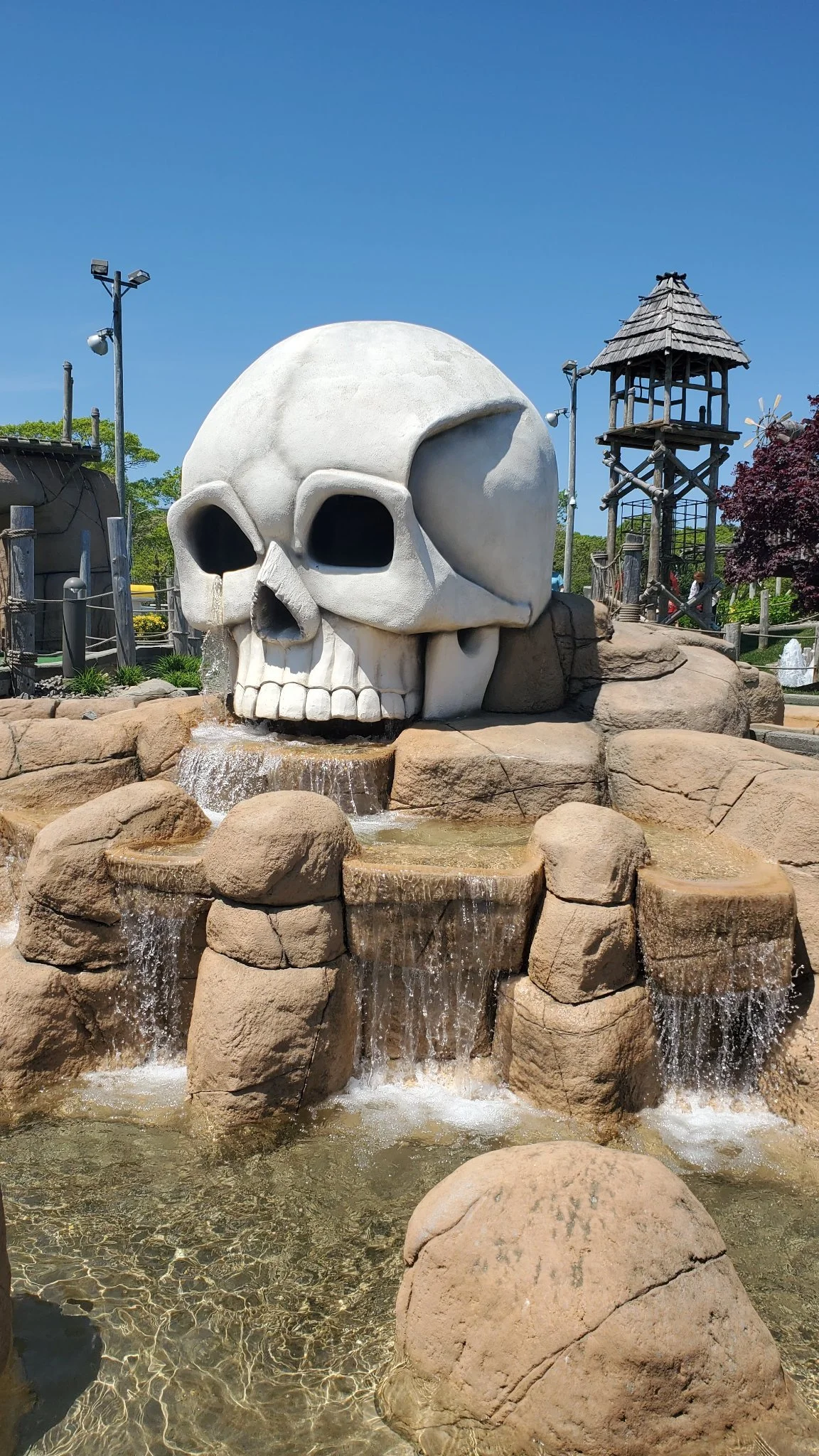
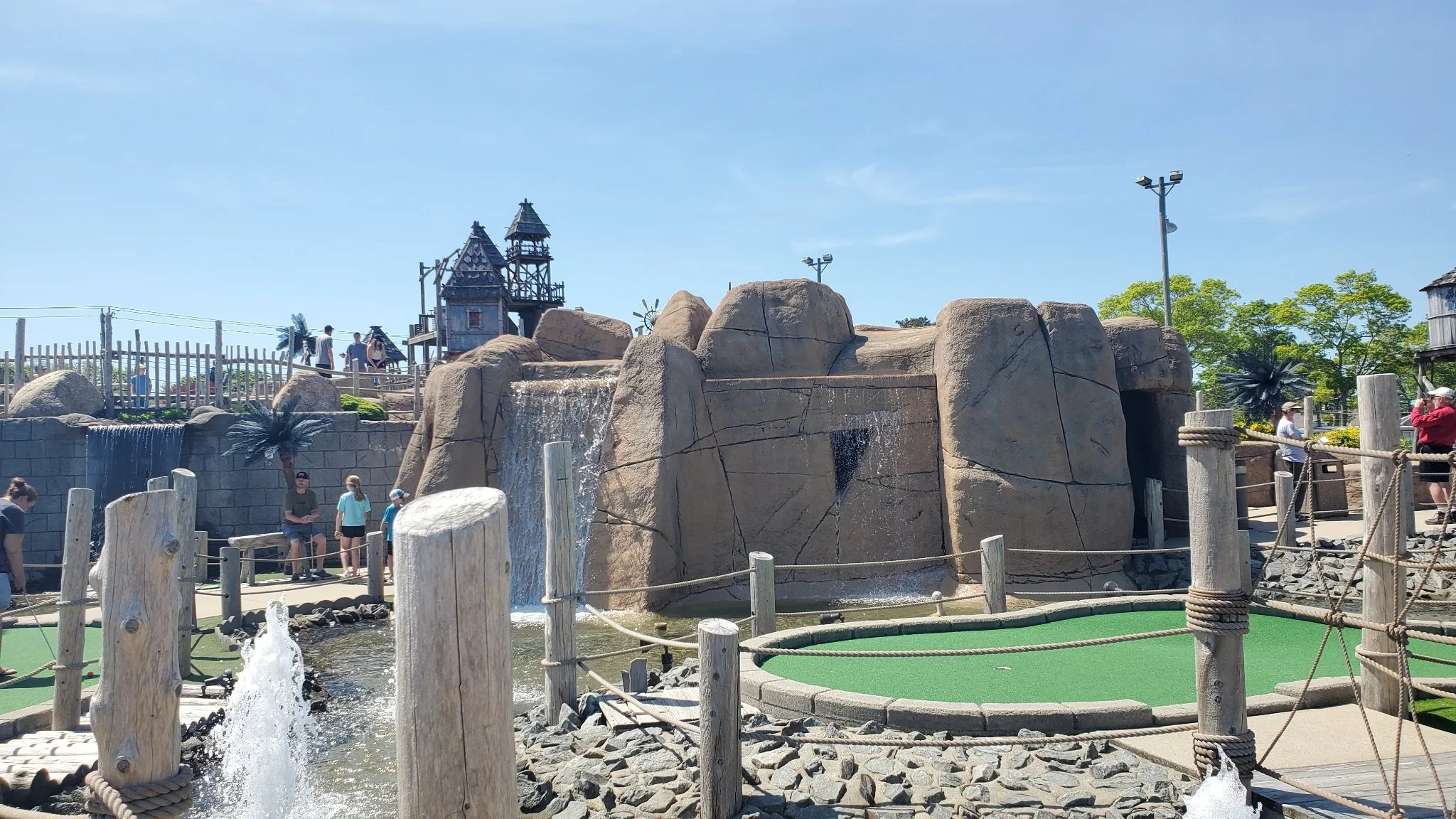
Left: The skull of skull island. The whole thing had a tropical jungle/island theme.
Above: a cave with a waterfall. There are a lot of cool themed golf places in the area.
After golf and visiting an old bookstore, we came to sleepy Sandwich. We parked a ways from the center and walked into the center of town. The center of town is built around the Shawme Lake, with the Dexter Grist Mill at one end and across the street a classic white New England Church with a tall steeple. The whole place is classic New England. Up the road is also the Hoxie House, a 17th century classic New England Saltbox house (they looked like saltboxes back in the day, now we don’t use saltboxes so it’s a weird term). Unfortunately, most of the big sites in the area, the Grist Mill and the Hoxie House, were not open yet as we were too early in the season. Both of them open in June and we were there at the end of May. You can still walk around the area of the Mill and see where the water would go in to turn the mill wheel and walk around the lake. 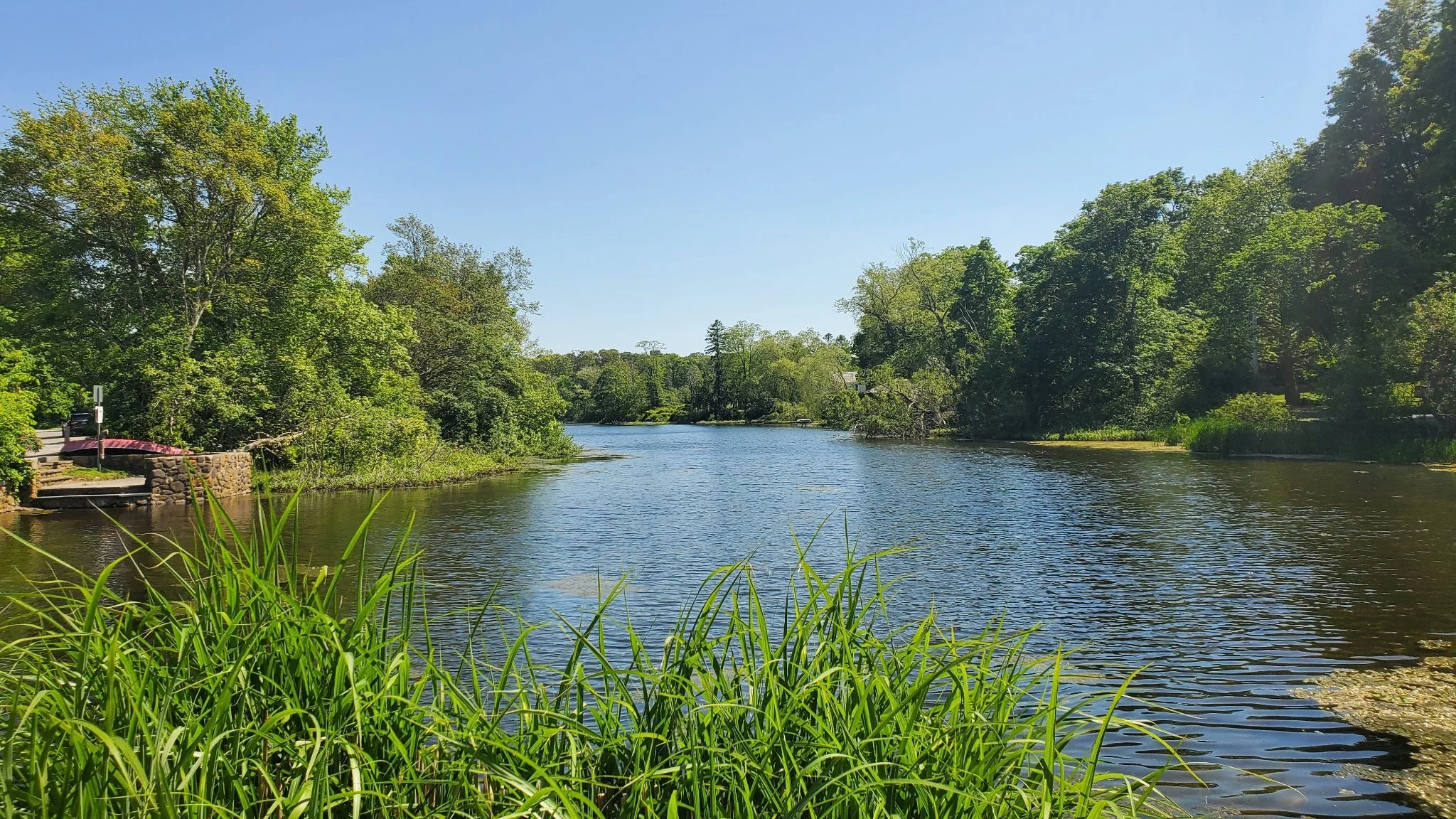
Shawme Lake
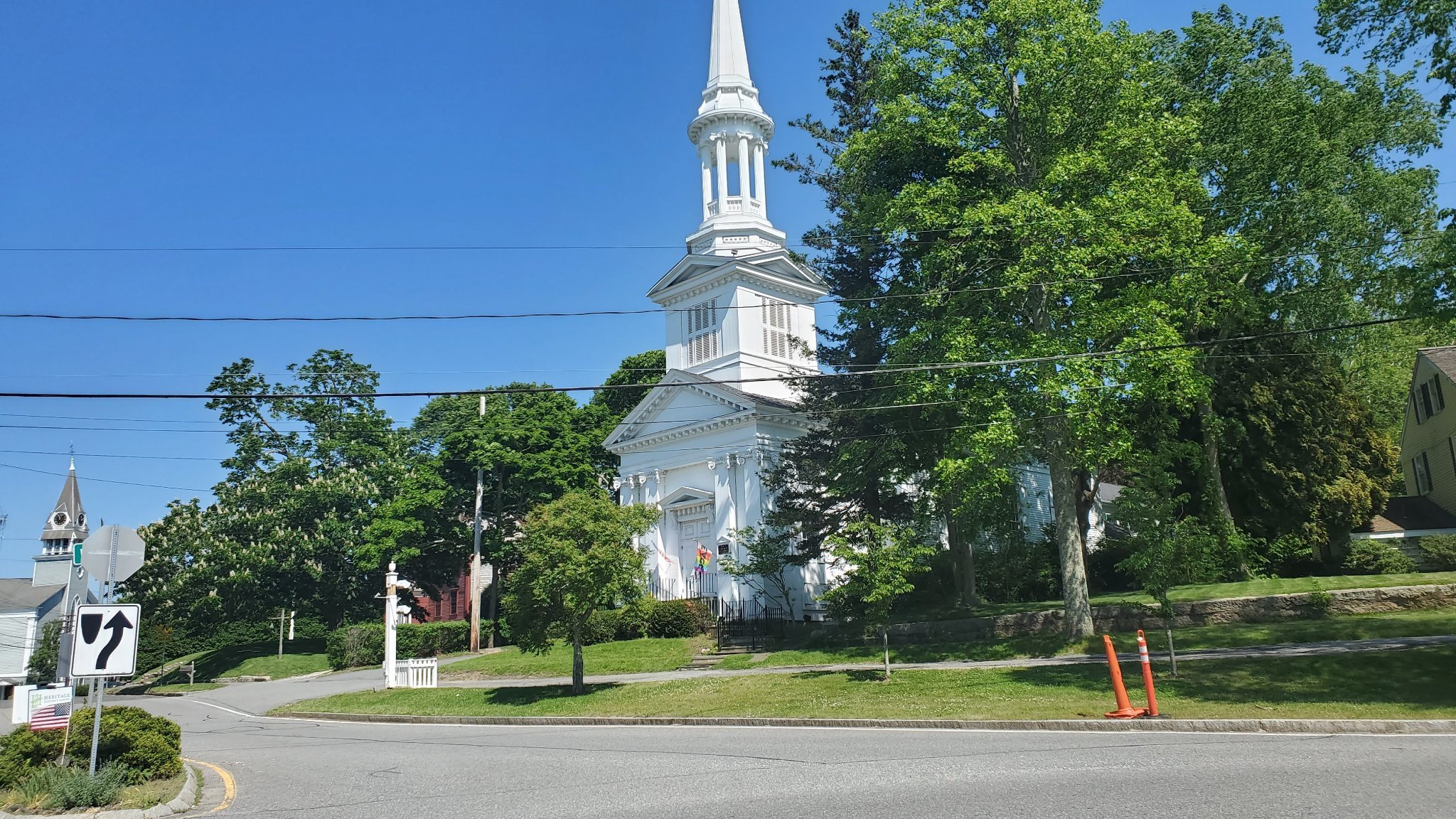
The church
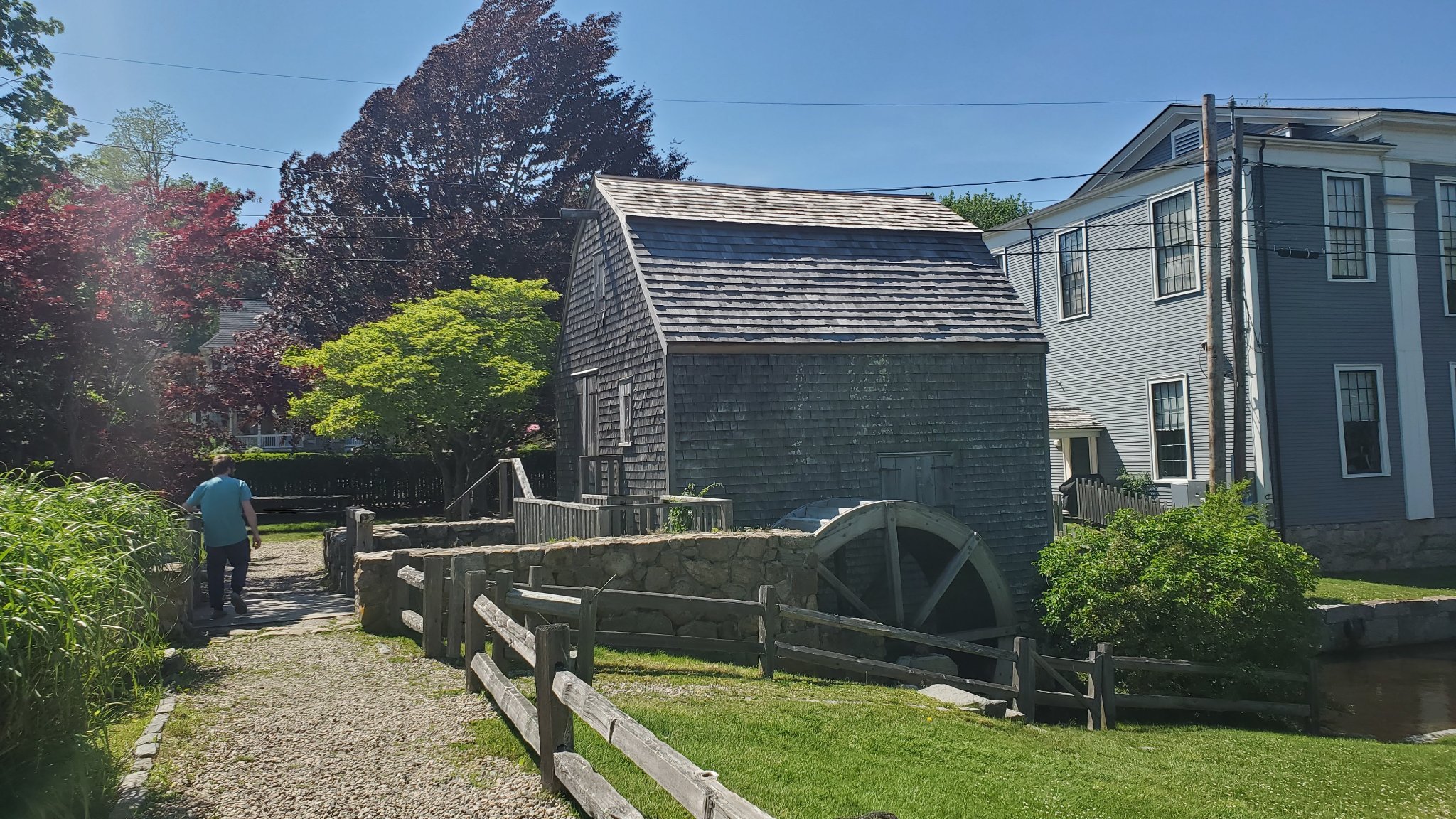
Dexter Grist Mill, dating back to 1654 according to the sign, it was restored in 1961.
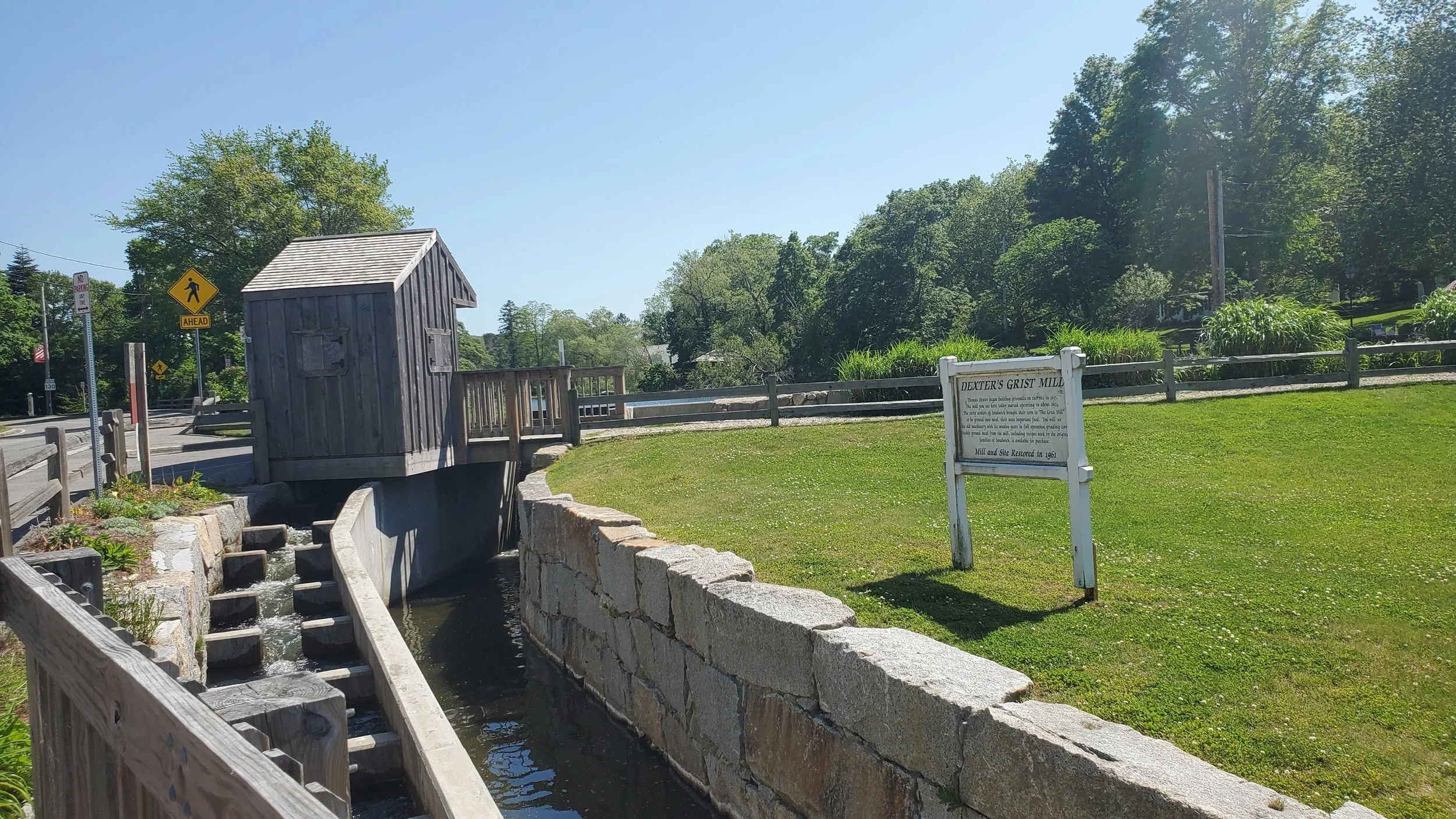
The water that is fed into the man-made stream to move the wheel of the mill.
The Sandwich Glass Museum was open though. We spent several hours there as there was a lot to see, from a glass glowing demonstration to the largest gift shop I have ever seen. As big as it was it was still not nearly as large as the Corning Glass Museum in NY which I will talk about on that blog post. 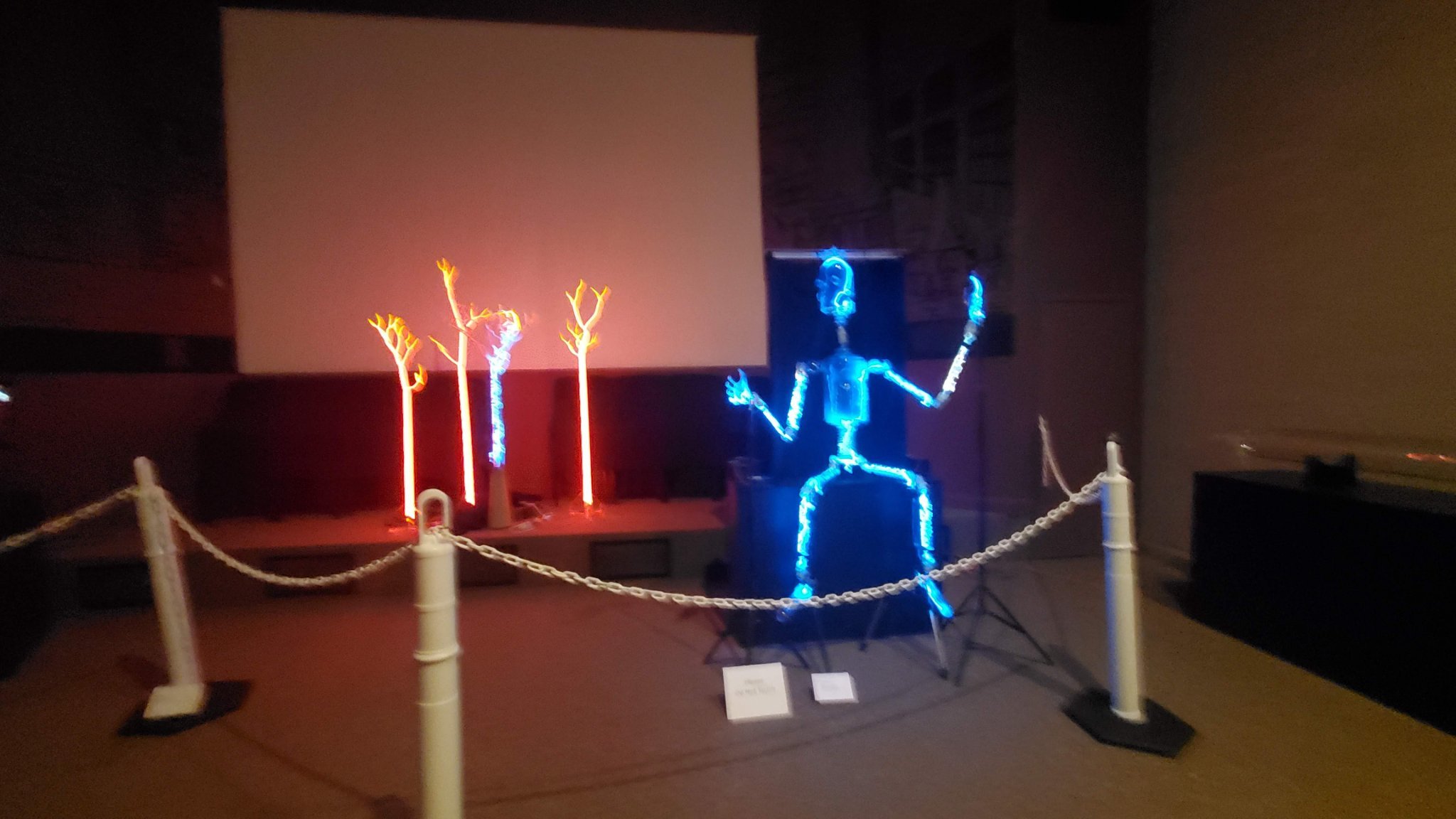
There he is, glassman. Doing his glass thing. This was an exhibit on glass and technology.
For some reason I can’t find most of the Glass Museum images. Trust me though, it was worth it especially on a hot day after a sunburn. And that was it! Still so much left in Cape Cod and even Massachusetts for that matter, that we need to return to do. Four days just wasn’t enough. Legends and Lore
As one of the oldest states, Massachusetts has a lot of Legends and Lore associated with it. It's most famous supernatural incident was the Salem Witch Trails; however there were witch trials all over Massachusetts and New England in the 17th century. The belief in magic was widespread in the 17th century and people believed they had to protect themselves from Witches, Specters and evil spirits. Hex marks
One belief in the Middle Ages to the 17th century (and beyond) was that evil spirits could enter the house through the chimney. There were several magical (good magic in this case) symbols that were used to ward off evil spirits. One was the daisy wheel, and another was the initials of the Virgin Mary, VM or VV for Maria. The Fairbanks House had several of these 'Hex Marks' above and around the chimney. These are tangible symbols of the supernatural beliefs but also show how Christian symbols in the Early Modern period could still provide magical protection, the way it often did in the Middle Ages with Magical Saints and Priests able to perform miracles. 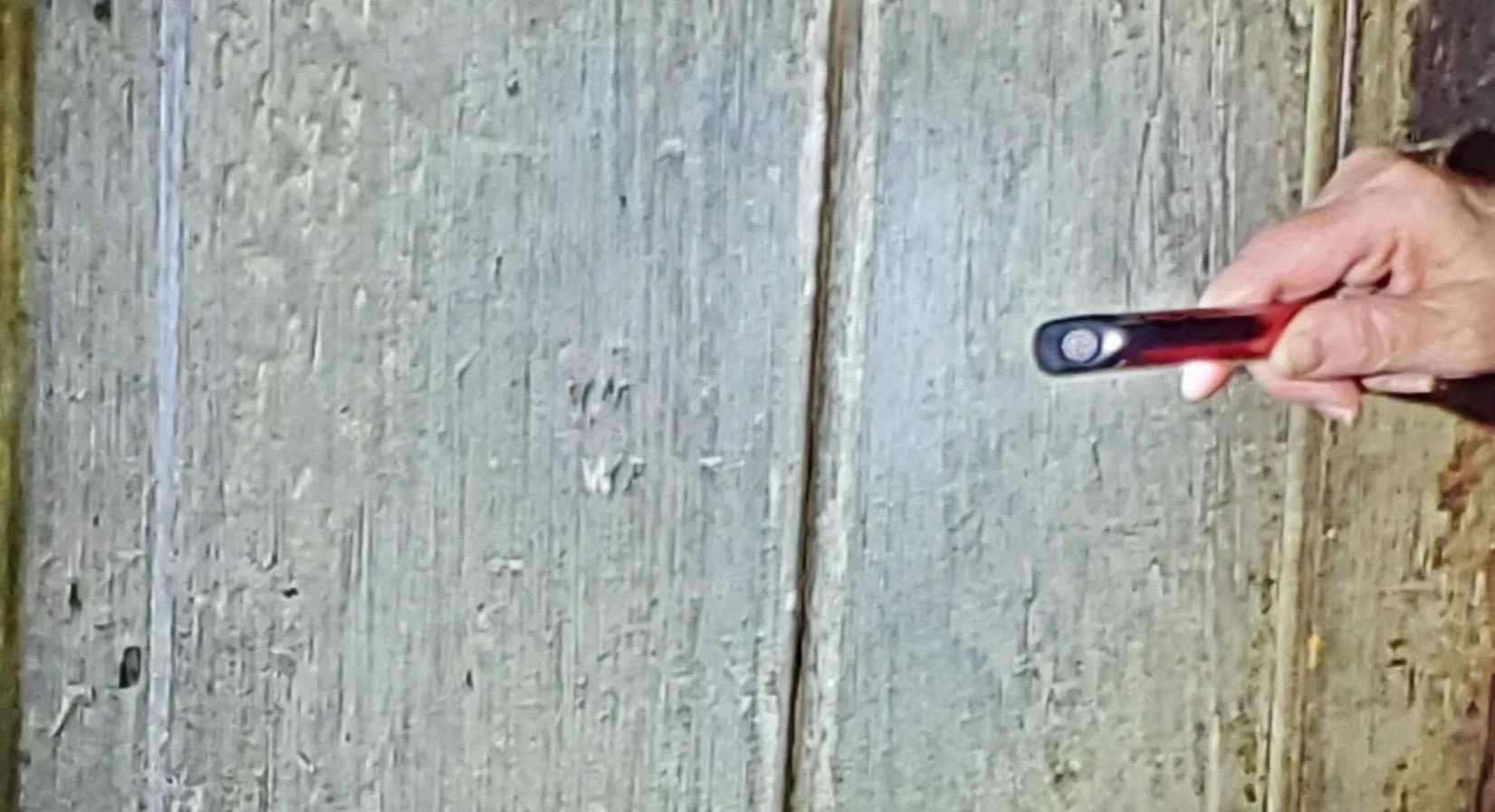
Hex Marks near the Chimney of the Fairbanks house. It was NOT weird.
The book, 'Magical House Protection: The Archeology of Counter-Witchcraft' by Brain Hoggard, is a meticulous study of the different magical symbols and items in old houses found that are believed to have been placed as counter-magic symbols. The symbols in the Fairbanks House get a quick mention. Colonial UFO
UFO's (or UAP's as the modern people like to call them these days) are all the rage. The entire History channel has been taken over by it. But strange lights in the sky have always been a thing historically. Most likely they were things that earlier generations did not understand, Northern Lights, bright stars, comets, etc. Strange lights in the sky were more often associated with ghost ships, specters or demons than aliens from another world. One of the first 'UFO' accounts comes from Boston in 1644 written by none other than John Winthrop the Governor of Massachusetts. He wrote the following:“About midnight three men…saw two lights arise out of the water…in form like a man and went a small distance…and they vanished away” So more of a flying ghostly humanoid than an unidentified flying object. It was noted that these lights appeared near a place where a ship blew up not long before. It's possible they thought these were the souls of the dead men. Bridgewater Triangle
I try to usually keep the lore section in line with places we actually visited during the trip, but we did on our way home briefly enter what is called the Bridgewater Triangle. The Bridgewater Triangle is a 200 square mile area that covers all of the Bridgewaters: Raynham, Taunton, Brockton, Mansfield, Norton and Easton having the towns of Abington, Freetown and Rehoboth. There are a lot of legends of strange things in this area specifically around the Hockomock swamp. Strange Bigfoot-like creatures, ghostly lights, and Indian curses all are said to appear in the area. The area was home to the Wampanoag tribe and King Philip, who was one of the main Native leaders in the war the colonists named after him, King Philip's War. It is said that King Philip cursed the colonists and that that curse still exists. I do not believe in curses, but King Philip certainly had a good reason to cruse the colonists, who stole his lands and went to war with his people. It's a long and complicated story. The Freetown Ledge/The Freetown State Forest is one prominent area with spooky stories attached to it. There's a large ledge that looks into an old mine called Assonet Ledge. The Police believed that cult activity may have occurred here in the past (very doubtful given this was during the Satanic Panic and everyone thought there was cult activity occurring everywhere). There are stories though of people seeing apparitions, strange lights and having an urge to jump off the ledge while there. I tried to go to the Freetown State Forest, and we even got breakfast in a diner not far from it. I have to say the dense forest in the area is very spooky so you can see where some of this folklore may fit the area. During breakfast though Cerisa was reading about murders that happened not far from the area and got spooked. She said she would remain in the car if I wanted to check out the ledge myself. BUT when we got there the whole place was closed for trail maintenance. Did Cerisa use witchy magic to keep us from entering the dark cursed forest?! Possibly. Sources / Suggested readings:
'Colonial Massachusetts: A History' by Benjamin W. Labaree'New England Frontier: Puritans and Indians 1620-1675' by Alden T. Vaughan 'Warpaths' by Ian K Steele 'Early American Architecture: From the First Colonial Settlements to the National Period' by Hugh Morrison'Magical House Protection: The Archeology of Counter-Witchcraft' by Brain Hoggard'The Real History of the American Revolution: A New Look at the Past' by Alan Axelrod'The UFO Encyclopedia: A-K' by Jerome ClarkHomepage | The Freedom TrailBridgewater Historical tidbitsBridgewater Triangle: 13 'hotspots' to explore this Halloween